Exercise could improve prostate cancer survival

Exercise could improve prostate cancer survival

A new study backed by Cancer Research UK will look into the health benefits of exercise for men with prostate cancer.  It is a known fact that exercise keeps our bodies healthy, but the affect it has on prostate cancer has not been researched.

Read More

Imaging technology for prostate cancer

Imaging technology for prostate cancer

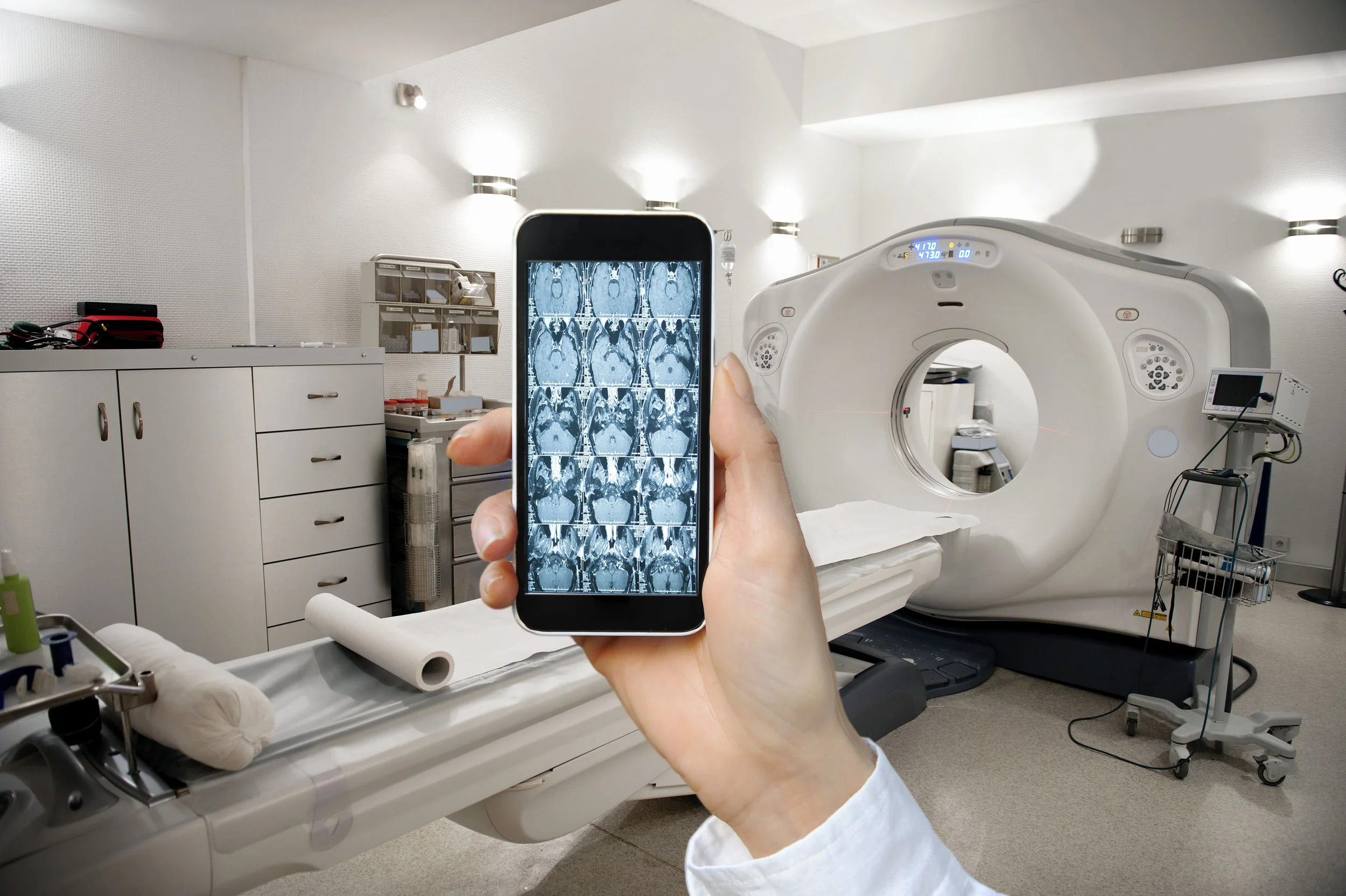
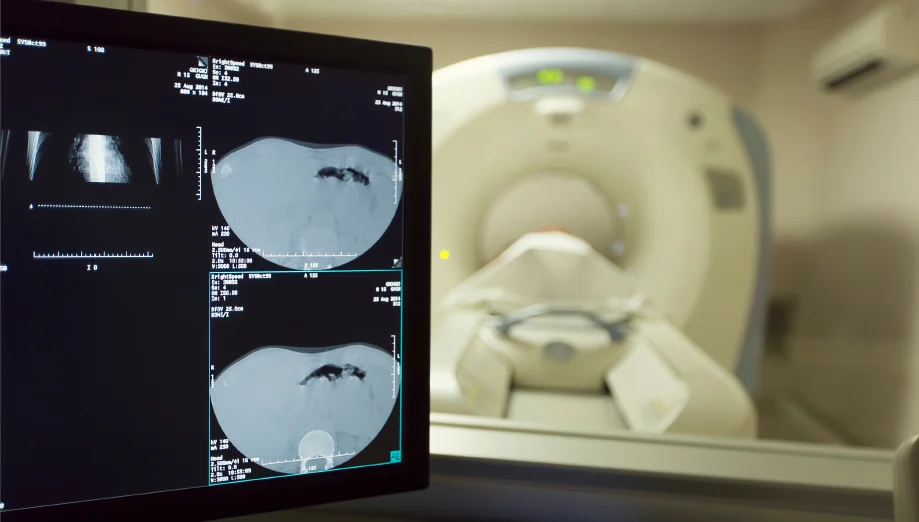
If you have been diagnosed with prostate cancer, a doctor will combine the results of their digital rectal exam (DRE), prostate-specific antigen (PSA) and Gleason score from their biopsy to determine whether their cancer has a chance of spreading (metastasizing) beyond the prostate gland. The compiled data is then used to determine if an imaging test is required to search for any potential spread of prostate cancer.

Read More

HIFU for prostate cancer

HIFU for prostate cancer

What is HIFU? HIFU stands for High Intensity Focused Ultrasound. It delivers high frequency sound waves which creates heat to specific areas of the prostate to kill the cancer cells. A trans-rectal probe is inserted into your rectum to reach the prostate and more accurately target the prostate cancer with the strong beams.

Read More

Prostate Cancer and Erectile Dysfunction

Prostate Cancer and Erectile Dysfunction

Erectile dysfunction is the inability to achieve and/or sustain an erection adequate for sexual intercourse. A concern for many men with a diagnosis of prostate cancer is whether or not they will still be as sexually functional as they were prior to having received treatment. It can be both physically and emotionally taxing to cope with.  It’s important to understand that prostate cancer is not the direct cause for erectile dysfunction, although certain treatments for the disease can directly cause the condition. 

Read More

African-American men have lower PSA with low-risk prostate cancer

African-American men have lower PSA with low-risk prostate cancer

Prostate cancer is the second most common cancer among men in the United States. African-Americans have the highest risk of developing prostate cancer among any other racial group. Prostate cancer in African-American men also tends to be more aggressive.

Key statistics about African-American men and prostate cancer:

Read More

External Beam Radiation Therapy for prostate cancer

External Beam Radiation Therapy for prostate cancer

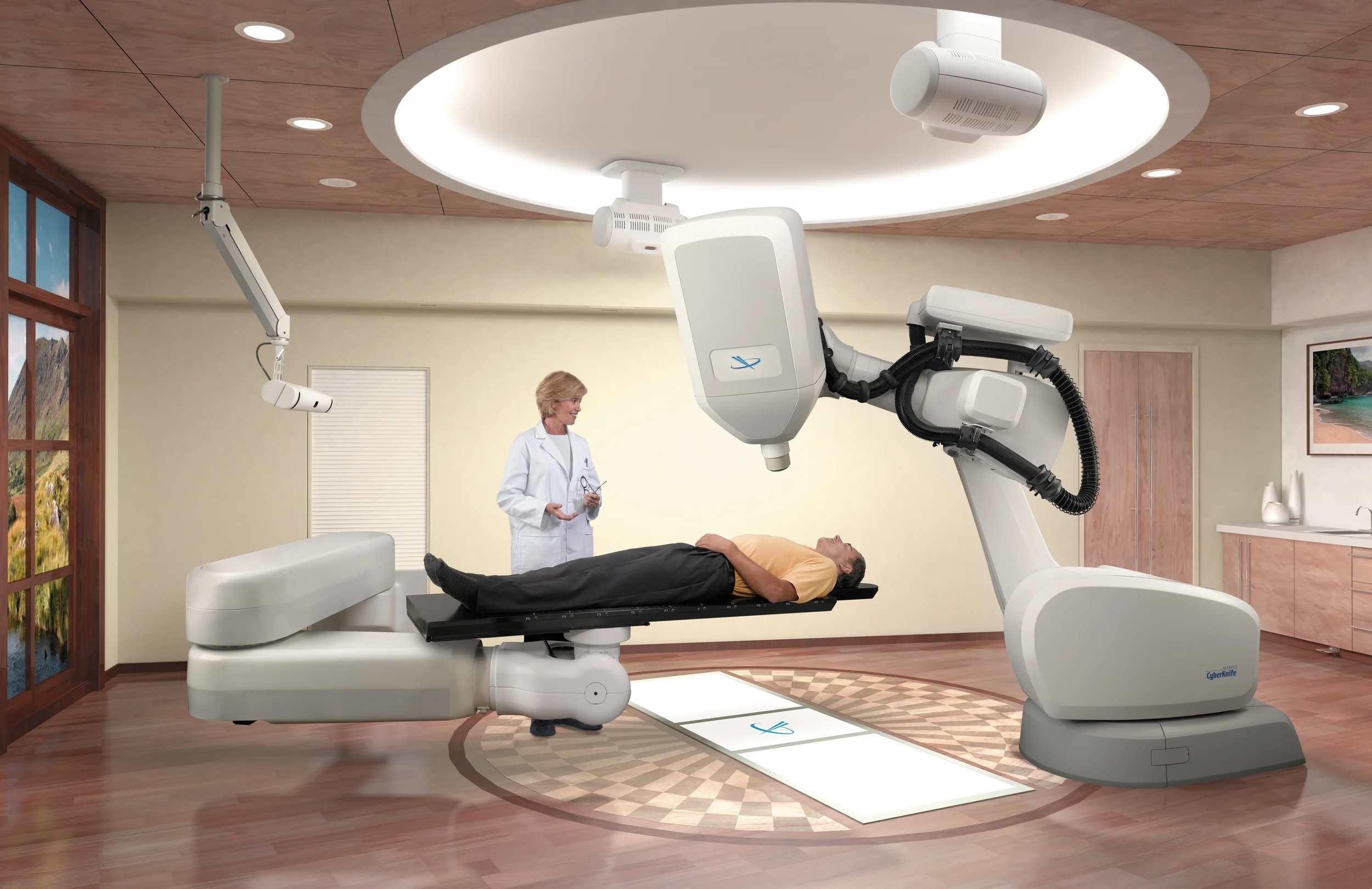
External Beam Radiation Therapy is a type of treatment that can be used for prostate cancer. This type of treatment works by targeting the prostate gland with beams of radiation. After your prostate has been mapped and your body has been set into place by a fitted mold, shaped beams of radiation are directed at the prostate from several directions which kills the cancer cells. There are two types of radiation that your doctor may use. These include either three dimensional conformal radiotherapy (3DCRT) or intensity-modulated radiotherapy (IMRT).

Read More

Cryosurgery for Prostate Cancer

Cryosurgery for Prostate Cancer

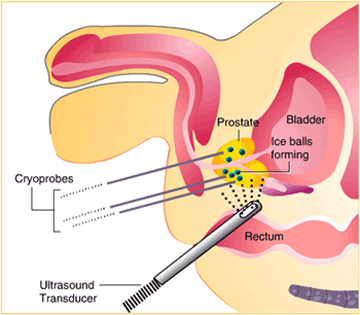
Cryosurgery for prostate cancer is also known as cryotherapy. It is a minimally invasive surgical procedure that uses extremely cold gas to freeze and destroy the prostate. With cryosurgery for prostate cancer, transrectal ultrasound is used to map and guide needles through the area between the anus and scrotum so that the cold gases can be directed to the prostate.

Read More

How is Prostate Cancer Treated?

How is Prostate Cancer Treated?

Active Surveillance/Watchful Waiting. These are not types of treatment, but ways to monitor prostate cancer when it is very low-risk or slow growing. During active surveillance or watchful waiting, your doctor will keep track of the prostate cancer using various tests including a PSA blood test, digital rectal exam, and ultrasound. If the prostate cancer becomes more aggressive, your doctor may recommend other treatment options.

Read More