Prostate Cancer and Erectile Dysfunction

Prostate Cancer and Erectile Dysfunction

Erectile dysfunction is the inability to achieve and/or sustain an erection adequate for sexual intercourse. A concern for many men with a diagnosis of prostate cancer is whether or not they will still be as sexually functional as they were prior to having received treatment. It can be both physically and emotionally taxing to cope with.  It’s important to understand that prostate cancer is not the direct cause for erectile dysfunction, although certain treatments for the disease can directly cause the condition. 

Read More


Fusion biopsy detects riskiest prostate cancers

Fusion biopsy detects riskiest prostate cancers

New imaging technologies involving MRI are emerging that are helping urologists more accurately target prostate cancer lesions in men diagnosed with prostate cancer. Over the past couple of years MRIs have become more refined, allowing for more accurate diagnoses of malignant tumors. Now, MRI is able to be fused with other new devices with real-time imaging produced by ultrasound. As a result, doctors are able to perform a biopsy with direct guidance of the needle to the suspicious lesion. The procedure is called a fusion biopsy.

Read More

What do the different stages of prostate cancer mean?

What do the different stages of prostate cancer mean?

One in 7 men will be diagnosed with prostate cancer in their lifetime.  This means, you or someone you know will be diagnosed with prostate cancer at some point during your life.  Many people can find it confusing to sift through all the information out there, or perhaps don’t know where to start. Here is a guide to the different stages of prostate cancer and what they mean.  Hopefully this will help those looking for clearer information learn more about prostate cancer.

Read More

Top healthy food for Prostate

Top healthy food for Prostate

Cranberries, strawberries, blackberries, raspberries. Cranberries also helps bladder health by preventing bacteria from attaching to urinary tract walls. High in vitamin C and antioxidants. Vitamin C may help ease BPH symptoms by promoting urination and reducing swelling. Antioxidants prevent damage from free radicals – molecules that attack healthy cells and can contribute to cancer risk

Read More

Prostate cancer: Cyberknife vs. Robotic surgery

Prostate cancer: Cyberknife vs. Robotic surgery

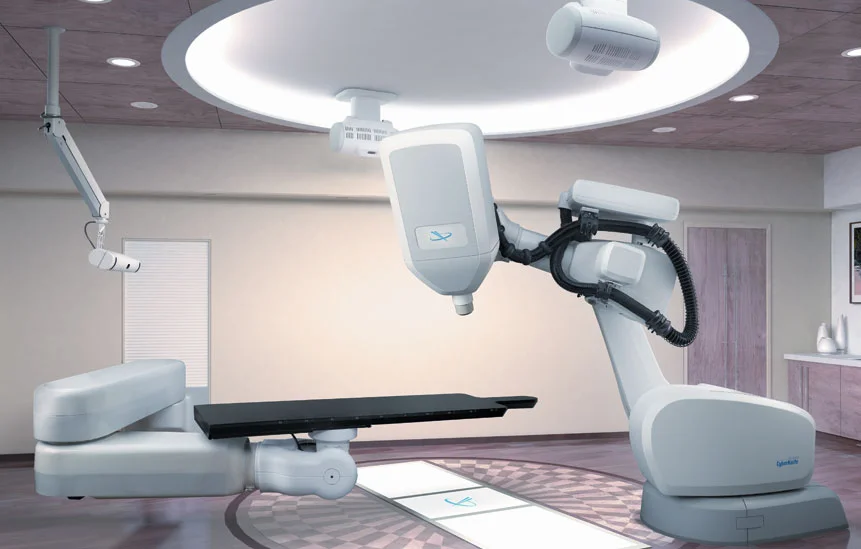
What is Cyberknife? Cyberknife is a form of stereotactic body radiation therapy (SBRT) and robotic-assisted radiosurgery (not actual surgery) that utilizes a computerized robot to automatically deliver high doses of radiation to the prostate gland. Fiducials are implanted into the body so that the Cyberknife machine can adjust to movement during each treatment.

Read More

MRI-Guided Biopsy detects locally recurrent prostate cancer

MRI-Guided Biopsy detects locally recurrent prostate cancer

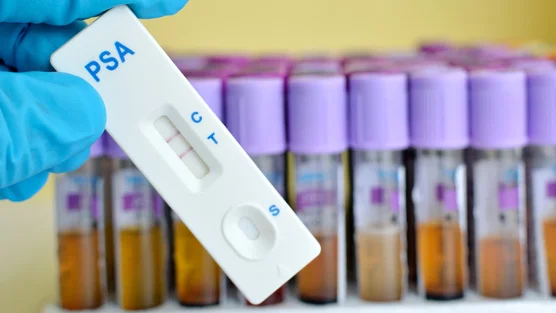
Prostate cancer is the most common cancer in men. So far, the only tools available to detect and diagnose prostate cancer include: the PSA test and the transrectal ultrasound guided biopsy. Every year, about 20 million PSA tests are performed and about 1.2 million men undergo a biopsy. Traditional techniques such as the TRUS biopsy only sample the lower portion of the prostate – yet almost 30% of cancers are found outside this area. For this reason, only 30-40% of the 1.2 million biopsies performed on men each year are positive for prostate cancer.

Read More

Low PSA levels linked to increased risk for cancer death

Low PSA levels linked to increased risk for cancer death

A new study suggests that patients with prostate cancer who have low prostate antigen, or PSA, levels have a higher risk for cancer-specific death compared with patients whose PSA levels are high. A low PSA level was considered less than or equal to 2.5 ng/mL or 2.6 to 4 ng/m, while a high PSA level was considered 10.1 to 20 ng/mL The study was published online in the journal Cancer.

Read More

Sex: Beneficial for prostate health

Sex: Beneficial for prostate health

Sex is beneficial for prostate health. It is also beneficial for many other health reasons. In regards to prostate health, sex may decrease your risk for prostate cancer. A previous study showed that men who ejaculated at least 21 times a month were less likely to develop prostate cancer. This doesn’t mean you need to have a sex partner – whether it be sexual intercourse, nocturnal emission, or masturbation, all are beneficial.

Read More

Why two nutrients may assist in preventing prostate cancer

Why two nutrients may assist in preventing prostate cancer

The month of September is designated as National Prostate Cancer Awareness Month to help bring attention to a common yet highly curable disease among men. Many different factors can play a role in reducing the risk of developing this disease but a couple of nutrients stand out in the crowd that may possibly help make this more of a reality – the mineral zinc and the phytochemical lycopene.

Read More

Prostate cancer death risk associated with stress

Prostate cancer death risk associated with stress

A new study suggests that having high levels of stress may increase a man’s risk of prostate cancer death. This is not just men who have advanced prostate cancer, but men with localized prostate cancer, which means the cancer is still confined to the prostate gland. The study was published online in the Scandinavian Journal of Urology.

Read More

What does the Gleason score mean?

What does the Gleason score mean?

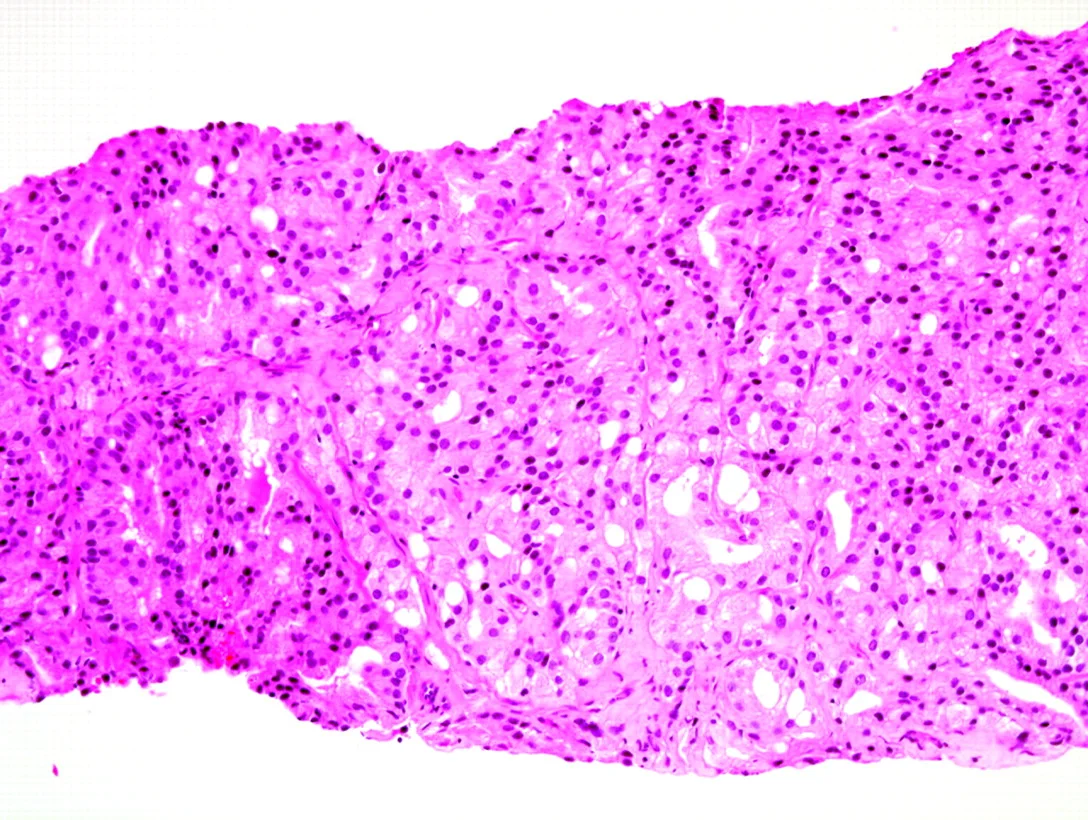
When diagnosing prostate cancer, a Gleason score is used to determine how aggressive the cancer is. Before understanding what the Gleason score means, one should know how a Urologist comes up with a Gleason score in the first place. To identify the Gleason score, a Urologist will do a prostate biopsy which involves collecting prostate tissue samples. These prostate tissue samples are then sent to a lab to be analyzed by a pathologist. The pathologist will determine the Gleason score which is made up of two numbers: a primary grade and a secondary grade.

Read More