Why Do Men Get BPH?

Why Do Men Get BPH?

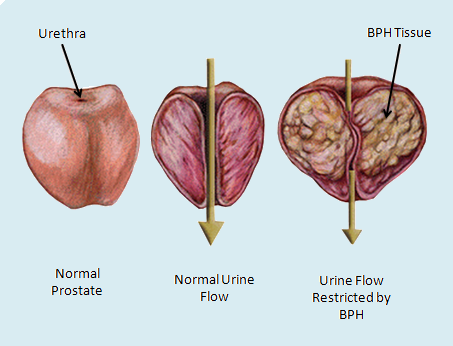
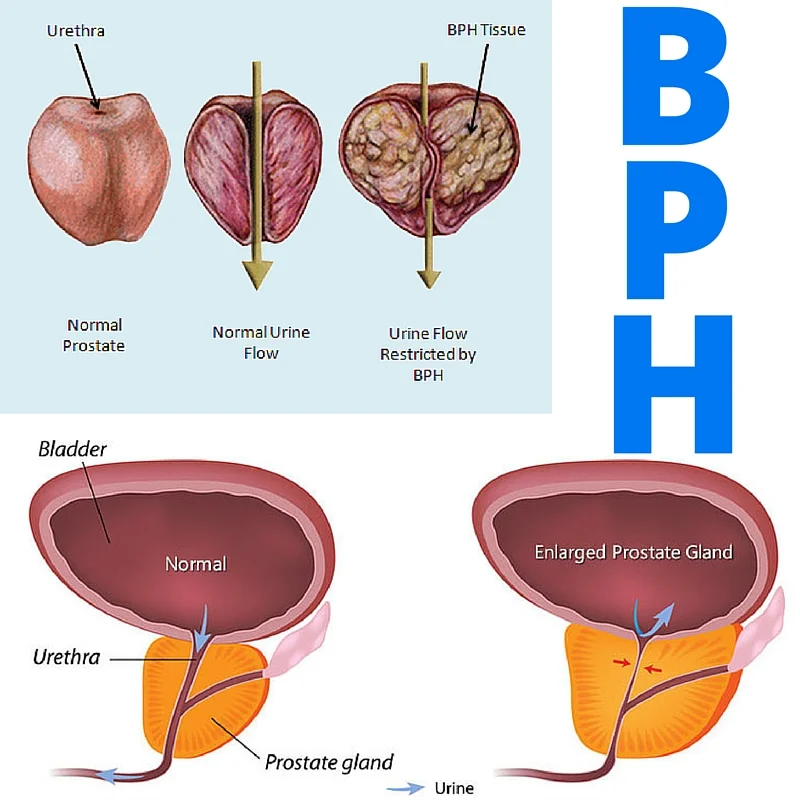
Benign prostatic hyperplasia (aka BPH, benign prostatic hypertrophy, or an enlarged prostate) is a condition that most often affects older men. As men get older, the prostate gland naturally becomes enlarged. This can put pressure on the bladder and urethra, causing problems with urination. Over 50 percent of men in their 60s and up to 90 percent of men in their 70s and 80s have some symptoms of an enlarged prostate.

Read More

Causes of a High PSA

Causes of a High PSA

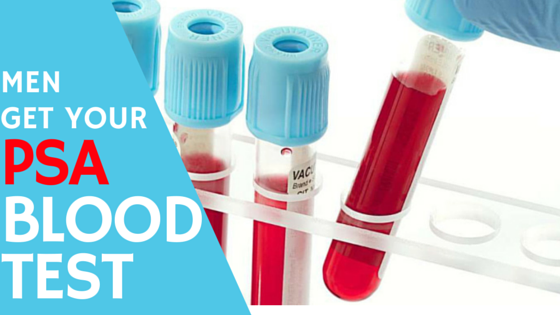
A “normal” PSA level is generally between 1.0 and 4.0 ng/mL. Anything above 4.0ng/mL is considered “abnormal” or elevated. The PSA level may differ depending on a man’s age. As men age, the prostate gets larger. A larger prostate produces more PSA. Therefore, younger men generally have lower PSA levels while older men tend to have higher PSA levels. These variations in PSA levels are not always associated with a prostate condition, other than an enlarged prostate. The PSA level may also vary depending on the man’s ethnicity or if they have a family history of prostate cancer.

Read More

Treatment for Elevated PSA

Treatment for Elevated PSA

A man may have an elevated PSA for a number of reasons. An elevated PSA is a result of the prostate cells or gland being disrupted in some way. The treatment for having an elevated PSA will depend on what is causing the PSA to rise. Let’s take a look as the most common causes of an elevated PSA: Prostatitis. Prostatitis also means a prostate infection, which causes inflammation of the prostate gland. Prostatitis is the most common prostate condition in men younger than 50. It can usually be treated with antibiotics.

Read More

Treatment for BPH

Treatment for BPH

Benign prostatic hyperplasia (BPH) is a condition that occurs in men usually over 50 years old and is characterized by an enlarged prostate. As men age, it is natural for the prostate to become enlarge. BPH is a noncancerous growth of the cells within the prostate gland. By age 60, more than half of men have BPH. By age 85, about 90 percent of men have BPH, but only about 30 percent will have symptoms.

Read More

Prostate Cancer Basics

Prostate Cancer Basics

According to the National Cancer Institute, prostate cancer is the second most common form of cancer affecting men in the United States.  This translates to about 1 in every 7 men in America.  That means you or someone you know has probably dealt with prostate cancer.  There are more than 2.9 million men living with prostate cancer in America, and more than 60 percent of men diagnosed with prostate cancer each year are over the age of 65.

Read More

Treatment options for prostate cancer

Treatment options for prostate cancer

Radical robotic prostatectomy (aka Da Vinci Robotic Prostatectomy/Robotic-Assisted Laparoscopic Radical Prostatectomy): Minimally-invasive surgical procedure to remove the prostate gland. This surgery is performed by a trained and skilled surgeon who uses a computer-enhanced robotic surgical system that is located next the operating table. The surgical system is composed of three main parts: a vision system with high magnification and resolution, robotic arms and instruments, and a console that the surgeon uses to view the operative field and control the instruments.

Read More

Analyzing the Velocity of the PSA

Analyzing the Velocity of the PSA

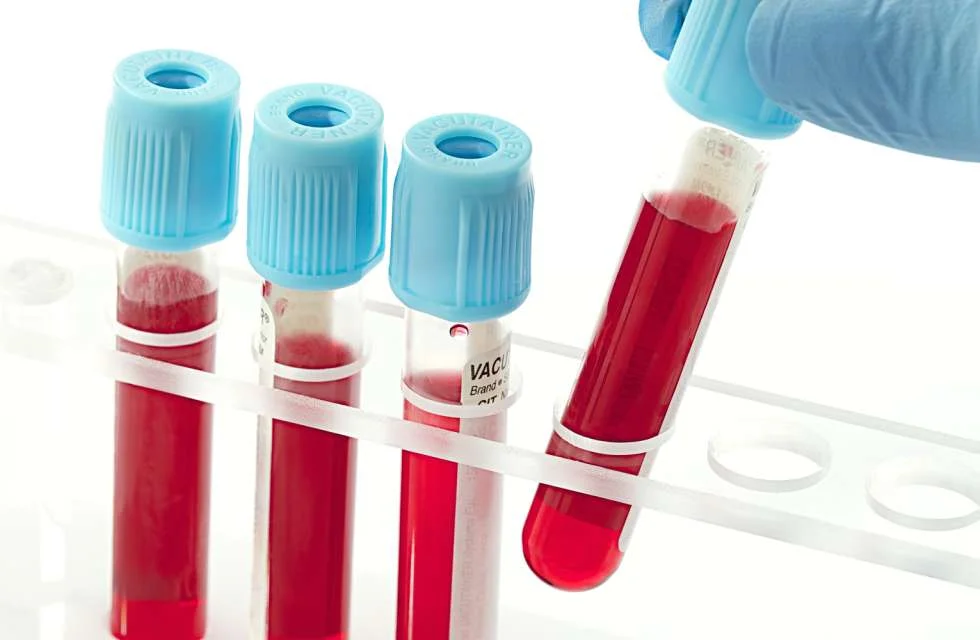
A PSA test is a blood test used to measure the level of PSA in the blood.  Many have heard the 3 letter abbreviation, especially if you are a man over 50, but what exactly is a PSA?  PSA is the abbreviation for Prostate-Specific Antigen, which is a protein produced by the cells of the prostate gland.  The PSA is often called a biological or tumor marker because it can be used to detect disease.  The disease in this case is prostate cancer.  Therefore the PSA test measures the level of PSA in the blood, like we mentioned above, in order to screen for prostate cancer. 

Read More

Grading Prostate Cancer

Grading Prostate Cancer

The grading system for prostate cancer is used to help assess the prognosis of prostate cancer. It also provides the doctor with the necessary information needed to select the most optimal treatment plan for the patient. Similar to staging prostate cancer, grade are given to each prostate cancer case to determine the severity of the disease. A urologist will assign a grade to the prostate cancer after the patient has undergone a prostate biopsy. The tissue samples are sent to a laboratory to be analyzed by a pathologist.

Read More

Robotic prostate surgery better for erectile function

Robotic prostate surgery better for erectile function

A new study from Australia suggests that robotic-assisted laparoscopic radical prostatectomy is more effective at preserving erectile function and urinary continence than a laparoscopic radical prostatectomy for treating localized prostate cancer. The study was recently published as a meta-analysis in Urologia Internationalis. The study was conducted by researchers at Monash University in Melbourne, Australia. It involved two randomized controlled trials and included a total of 232 patients in which each of their surgical approaches were compared. 

Read More

Finding and Diagnosing Prostate Cancer

Finding and Diagnosing Prostate Cancer

PSA (prostate-specific antigen) blood test. A normal PSA is less than 4.0 ng/mL. If the PSA level is greater, it is more likely that prostate cancer is present. However, there are other conditions that can raise the PSA. Men with a PSA level between 4.0 and 10.0 ng/mL have about a 25 percent chance of having prostate cancer. If the PSA level is greater than 10.0ng/mL, the chance of having prostate cancer is over 50 percent. If you have a high PSA, a doctor will look at other factors such as age, race, and family history, and also rule out any other possible conditions causing the elevated PSA. If other conditions have been ruled out, the doctor will recommend a prostate biopsy.

Read More

Oncotype DX: New Genetic Test For Prostate Cancer

Oncotype DX: New Genetic Test For Prostate Cancer

A new genetic test has recently become available called Oncotype DX. The test is made by Genomic Health and will now be available at Dr. Samadi's Prostate Cancer Center in New York City. What is Oncotype DX? The Oncotype DX prostate cancer test is a biopsy-based genetic test that can be combined with other measures to predict the aggressiveness of prostate cancer. The test applies advanced genomic science to reveal the unique biology of a tumor in order to optimize cancer treatment decisions for each individual patient.

Read More