Robotic prostate surgery better for erectile function

Robotic prostate surgery better for erectile function

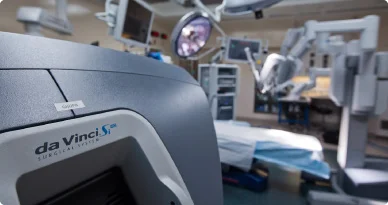
A new study from Australia suggests that robotic-assisted laparoscopic radical prostatectomy is more effective at preserving erectile function and urinary continence than a laparoscopic radical prostatectomy for treating localized prostate cancer. The study was recently published as a meta-analysis in Urologia Internationalis. The study was conducted by researchers at Monash University in Melbourne, Australia. It involved two randomized controlled trials and included a total of 232 patients in which each of their surgical approaches were compared. 

Read More
Finding and Diagnosing Prostate Cancer

Finding and Diagnosing Prostate Cancer

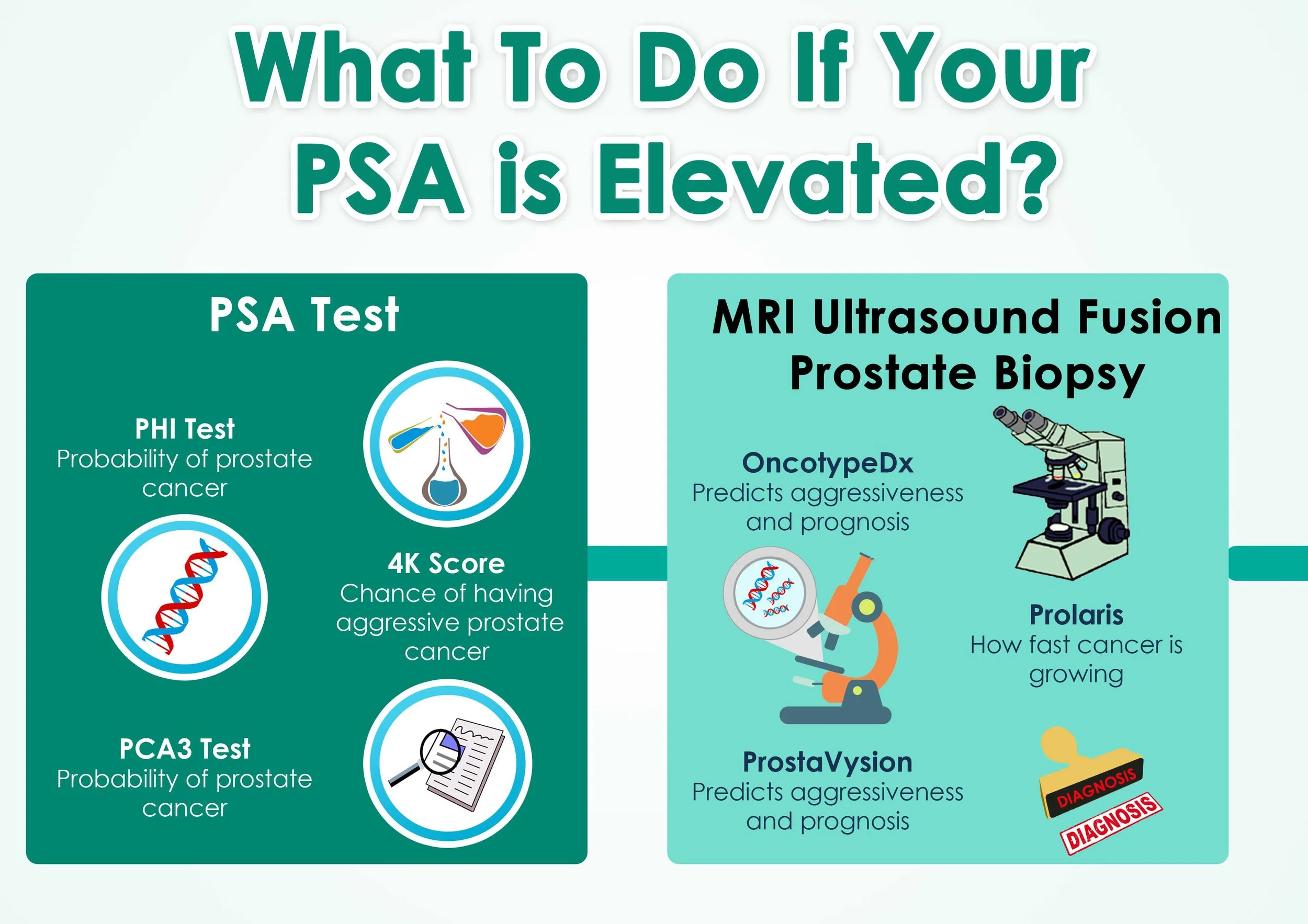
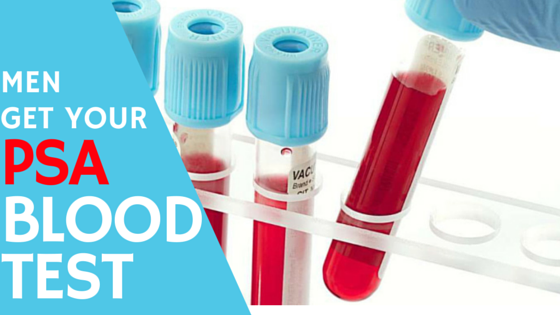
PSA (prostate-specific antigen) blood test. A normal PSA is less than 4.0 ng/mL. If the PSA level is greater, it is more likely that prostate cancer is present. However, there are other conditions that can raise the PSA. Men with a PSA level between 4.0 and 10.0 ng/mL have about a 25 percent chance of having prostate cancer. If the PSA level is greater than 10.0ng/mL, the chance of having prostate cancer is over 50 percent. If you have a high PSA, a doctor will look at other factors such as age, race, and family history, and also rule out any other possible conditions causing the elevated PSA. If other conditions have been ruled out, the doctor will recommend a prostate biopsy.

Read More

Oncotype DX: New Genetic Test For Prostate Cancer

Oncotype DX: New Genetic Test For Prostate Cancer

A new genetic test has recently become available called Oncotype DX. The test is made by Genomic Health and will now be available at Dr. Samadi's Prostate Cancer Center in New York City. What is Oncotype DX? The Oncotype DX prostate cancer test is a biopsy-based genetic test that can be combined with other measures to predict the aggressiveness of prostate cancer. The test applies advanced genomic science to reveal the unique biology of a tumor in order to optimize cancer treatment decisions for each individual patient.

Read More

MRI Fusion Guided Prostate Biopsy

MRI Fusion Guided Prostate Biopsy

The MRI fusion guided prostate biopsy “fuses” MRI scans with real-time ultrasound images of the prostate. This cutting-edge biopsy system allows us here at the Dr. David Samadi Prostate Cancer Center to pinpoint specific tumors within the prostate gland. This information provides the patient with the most optimal treatment plan and best possible outcome in detecting and diagnosing prostate cancer.

Read More

5 different types of prostate cancer

5 different types of prostate cancer

Researchers at Cancer Research UK have discovered that there are actually five different types of prostate cancer. The researchers say that these five different types of prostate cancer can be distinguished from one another and may even mean different treatments for each type that could be targeted to patients. The study was published in the journal EBioMedicine.

Read More

Most nutritious foods for prostate health

Most nutritious foods for prostate health

Tomatoes. Tomatoes contain lycopene - a powerful antioxidant that also gives tomatoes its rich red color. Lycopene may help lower prostate cancer risk, prevent prostate cancer or slow tumor growth in men who have prostate cancer. Tomatoes release most of its lycopene when cooked or pureed.

Read More

What are the risk factors for prostate cancer?

What are the risk factors for prostate cancer?

Race/ethnicity: African-American men and Caribbean men are more likely to develop prostate cancer compared to men of other races. African-American men are more than twice as likely to die of prostate cancer compared to Caucasian men. Prostate cancer occurs less often in Asian-American and Hispanic/Latino men than in non-Hispanic whites.

Read More

PCA3 test for prostate cancer

PCA3 test for prostate cancer

What is the PCA3 test?

A PCA3 (prostate cancer gene 3) test is a simple urine test used to predict the likelihood of prostate cancer. Specifically, it is an additional tool used to determine whether a prostate biopsy is necessary. The PCA3 is specific for prostate cancer as the prostate cancer gene is only produced by prostate cancer cells.

Read More

More men with Prostate Cancer Opting for Active Surveillance

More men with Prostate Cancer Opting for Active Surveillance

Men with early-stage prostate cancer are increasingly opting for regular monitoring and holding off on treatment unless the disease progresses. New study shows the use of so-called active surveillance or watchful waiting among men with localized PC was low from 1990-2009. But treatment option increased between 2010-2013.

Read More

What is the 4K Score Test?

What is the 4K Score Test?

The 4Kscore test is a simple blood test that detects high risk, aggressive prostate cancer. It measures four prostate protein (prostate-specific kallikreins) levels in your blood including total PSA, free PSA, intact PSA, and human kallikrein 2 (hK2). The results are combined in an algorithm with patient age, digital rectal exam and prior negative biopsy to give physicians a personal score for each patient. 

Read More

What is the PHI test?

What is the PHI test?

The PHI test is a new blood test that may eventually replace the PSA test when testing for prostate cancer. It is a simple, noninvasive blood test that is three times more specific than PSA in detecting prostate cancer. Controversy remains surrounding the use of the PSA test to screen for prostate cancer. This is due to the belief that the PSA test may lead to over-diagnosis and over-treatment in men with low-grade, less aggressive forms of the disease. 

Read More

What Happens Next With an Elevated PSA

What Happens Next With an Elevated PSA

Consider these facts on prostate cancer. More than 200,000 men will develop prostate cancer this year, making it the #1 cancer in men after skin cancer. Almost 30,000 men will die of prostate cancer, second only to lung cancer. Detecting and treating prostate cancer early is the key to cure. Unfortunately prostate cancer screening guidelines vary among organizations with no universally accepted standard. As a consequence this has created confusion among patients and caregivers alike. The importance of being an educated patient has never been greater.

Read More