Research in Canada: The 'Google Map of Cancer Cells' Could Help Fight Prostate Cancer Tumors

Research in Canada: The 'Google Map of Cancer Cells' Could Help Fight Prostate Cancer Tumors

Prostate cancer research currently underway at the University of Saskatchewan is being considered a world first and if successful could help save the lives of thousands of men.Researchers in Canada are working to find how they can block that pathways that actually drive tumor growth. Their research is rooted in understanding how prostate cancer tumors develop and progress. 

Read More

Are you at risk for prostate cancer?

Are you at risk for prostate cancer?

Race/ethnicity: African-American men and Caribbean men are more likely to develop prostate cancer compared to men of other races. African-American men are more than twice as likely to die of prostate cancer compared to Caucasian men. Prostate cancer occurs less often in Asian-American and Hispanic/Latino men than in non-Hispanic whites. Family history of prostate cancer: Having a father or brother with prostate cancer more than doubles a man’s risk of developing this disease. 

Read More

Enlarged Prostate? Here's what you need to know.

Enlarged Prostate? Here's what you need to know.

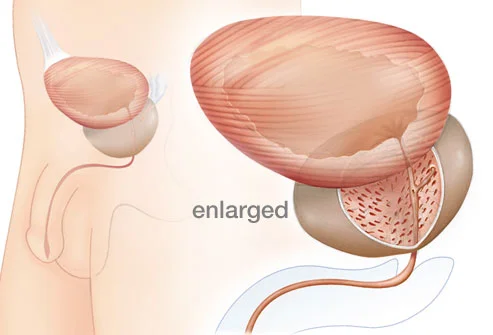
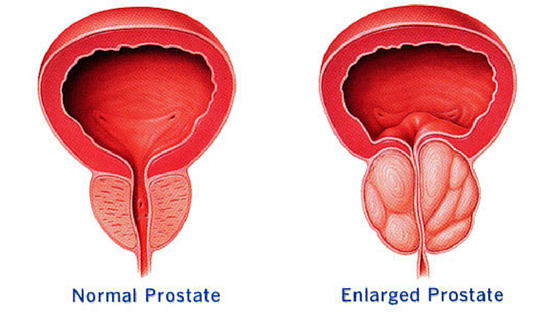
Prostate gland enlargement, otherwise known as benign prostatic hyperplasia, BPH, or benign prostatic hypertrophy, is a condition that most often affects older men. As men get older, the prostate gland naturally becomes enlarged. This can put pressure on the bladder and urethra, causing problems with urination. Over 50 percent of men in their 60s and up to 90 percent of men in their 70s and 80s have some symptoms of an enlarged prostate.

Read More

Do you have an enlarged prostate?

Do you have an enlarged prostate?

As men age, the prostate gland enlarges. This is also known as benign prostatic hyperplasia (BPH). BPH is a noncancerous growth of the cells within the prostate gland. By age 60, more than half of men have BPH. By age 85, about 90 percent of men have BPH, but only about 30 percent will have symptoms. An enlarged prostate can put pressure on the urethra which makes it difficult to urinate. It is unclear what causes benign prostatic hyperplasia. However, what we do know is that age and testosterone play an important role. Other risk factors include poor diet, physical inactivity, abdominal obesity, smoking, and excessive alcohol use.

Read More

Understanding Prostate Cancer

Understanding Prostate Cancer

Prostate cancer is one of the most common types of cancer in men. It starts in the prostate gland, which is a small walnut-shaped gland that is responsible for the production of seminal fluid. Prostate cancer is often a slow growing disease, but in some cases and depending on certain risk factors, it can be an aggressive disease and spread rather quickly. 

Read More

Distress Factors in Newly Diagnosed Prostate Cancer Patients

Distress Factors in Newly Diagnosed Prostate Cancer Patients

A study, published in the journal Psycho-Oncology, analyzed four different areas that could contribute to prostate cancer patient psychological distress. The researchers from New York's University of Buffalo, looked at factors like prognosis, individual beliefs, personality resources and demographics. 

Read More

USPSTF guidelines puts men in danger

USPSTF guidelines puts men in danger

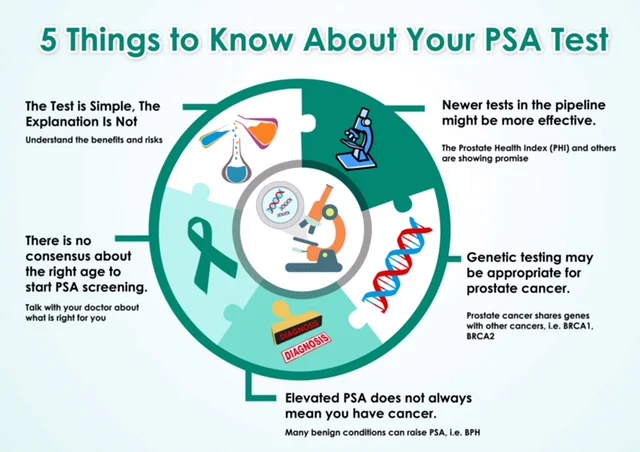
The U.S. Preventive Services Task Force recommends against PSA (prostate specific antigen) screening for prostate cancer. The task force currently gives PSA screening a grade D, meaning that there is moderate or high certainty that the PSA test has no benefit or that the harms outweigh the benefits. This recommendation was first issued in 2011.

Read More