5 Ways To A Healthy Prostate
/
Almost 30,000 men die from prostate cancer every year in the US. It is a silent killer with often no symptoms. Preventon is key. Here are 5 prostate health tips.
Read MoreAlmost 30,000 men die from prostate cancer every year in the US. It is a silent killer with often no symptoms. Preventon is key. Here are 5 prostate health tips.
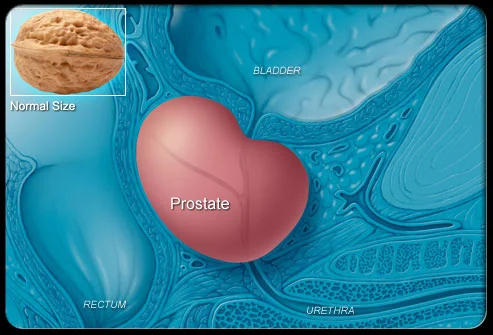
Read MoreThe enlarging of the prostate gland occurs naturally as men age. Unfortunately, this process can press on the urethra and result in nuisance side effects including urination and bladder problems. The good news is that an enlarged prostate is benign (not cancerous) nor will it increase your risk of prostate cancer; for these reasons it is often referred to as benign prostatic hyperplasia (BPH) or benign prostatic hypertrophy.
Read MoreThere is a lot to read about the benefits of certain foods in the prevention and treatment of prostate cancer. Prominent among these “super foods” are tomatoes and broccoli. Tomatoes are rich in the antioxidant lycopene and broccoli is stacked with sulforaphane.
Read MoreResearchers at Memorial Sloan Kettering Cancer Center in New York found that prostate cancer patients who smoke have an increased risk of experiencing negative side effects from treatment, a recurrence, or even dying from prostate cancer.
Read MoreResearchers at Memorial Sloan Kettering Cancer Center in New York found that prostate cancer patients who smoke have an increased risk of experiencing negative side effects from treatment, a recurrence, or even dying from prostate cancer.
Read MoreA new study from Norway found that men who drink boiled coffee may have a lower risk of prostate cancer. The study was conducted by Dr. Aage Tverdal of the Department of Pharmacoepidemiology at the Norwegian Institute of Public Health and was published in the British Journal of Cancer.
Read MoreA new study from the Karolinska Institute in Stockholm, Sweden has found that men with localized prostate cancer who exercise have better survival rates than men who don’t exercise. The study was published in December 2014 in the journal Cancer Epidemiology, Biomarkers & Prevention.
Read More“My PSA is elevated, but I keep having negative biopsies. What does this mean?” This is a common question among many men under the care of a urologist. If you are familiar with prostate cancer, you know that having an elevated or rising PSA (prostate-specific antigen) may mean you have prostate cancer.
Read MoreAccording to a new study published in the Journal of Medicinal Food, scientists at the University of California-Davis have found that a diet rich in walnuts, or its oil, can slow prostate tumor growth. Prostate cancer is one of the most common cancers among men.
Read MoreNew healthcare guidelines from the Canadian Task Force on Preventive Health Care recommend that men should not have a PSA test to screen for prostate cancer. A PSA test is a simple blood test that measures the amount of prostate-specific antigen in a man’s blood.
Read MoreResearchers at the University of Colorado Cancer Center have found that vitamin D can help block a protein that causes prostate tumors to grow.
Read MorePSA (prostate specific antigen) blood tests are familiar routine for men over the age of 40. The test is typically used as a screening tool for prostate cancer, and has helped countless men detect and treat their prostate cancer early. When treated early, the cure rate for prostate cancer is upwards of 95 percent.
Read More