10 prostate cancer risk factors men need to know
/
Risk factors are any attribute, characteristic or exposure of a man that increase the likelihood of him developing prostate cancer.
Read MoreRisk factors are any attribute, characteristic or exposure of a man that increase the likelihood of him developing prostate cancer.
Read MoreFormer Republican presidential nominee, Mitt Romney, recently announced he had undergone prostate surgery last summer for a slow-growing tumor he was diagnosed with earlier in the year.
Read MoreIn other situations, hormones may be given when a person’s body is not producing sufficient amounts for bodily functions to perform normally.
Read MoreMen are well aware of other men who have had issues with their prostate. The prostate condition may have been relatively easy to fix or a more serious issue requiring frequent follow-ups. Most men however, would rather not deal with any prostate issue, small or large and would instead keep their prostate has healthy as possible.
Read MoreProstate cancer affects about one in seven men who will be diagnosed with this disease in their lifetime.
Read MoreIf the cancer starts to grow again and cause any symptoms, there are treatments available to help manage them. There are two different stages of advanced prostate cancer:
Read MoreA recent study published in the International Journal of Cancer found that the consumption of this beverage has a protective effect on prostate cancer risk.
Read MoreNo man or his loved ones like to think of the possibility of his prostate cancer spreading beyond this gland. But, prostate cancer, like all cancers, has the potential to spread or metastasize to other parts of the body.
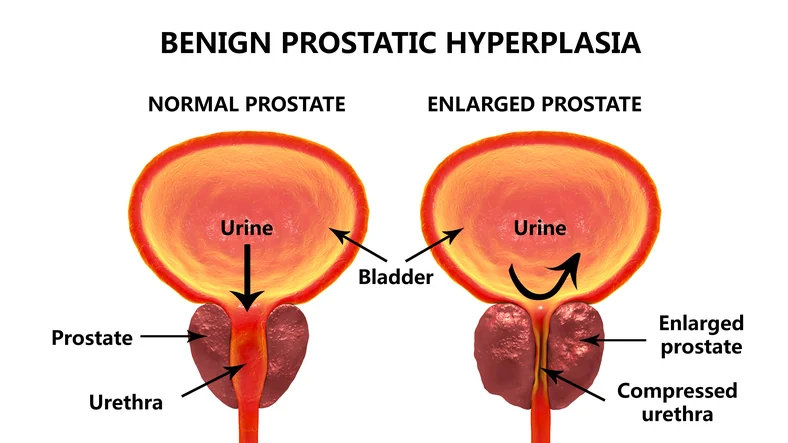
Read MoreFor being two entirely different conditions, benign prostatic hyperplasia (BPH) and prostate cancer have a few similarities in common:
Read MoreThe first step toward understanding how the prostate affects your health is to learn what the prostate is and how it functions.
Read MoreOne major factor to consider is how large the tumor is, and how far it has spread outside the prostate. Tumors are assigned a stage from 1 to 4 based on the size of the cancer or the volume of the cancer, and treatment options will vary depending on the stage.
Read MoreMost men will get through several decades of life without any prostate problems. But, that can change beginning as early as when a man hits his 40’s.
Read More