What Is The Prostate Gland?
/
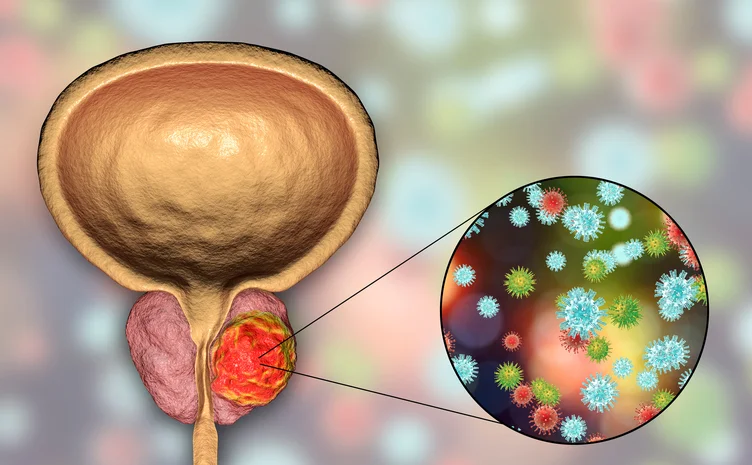
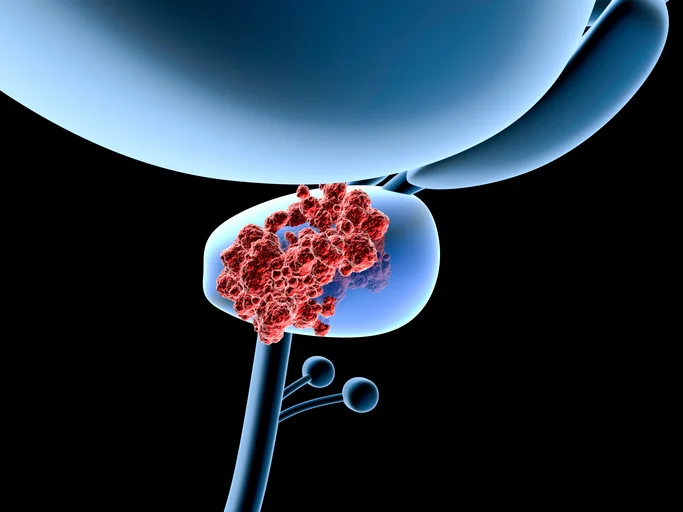
The first step toward understanding how the prostate affects your health is to learn what the prostate is and how it functions.
Read MoreThe first step toward understanding how the prostate affects your health is to learn what the prostate is and how it functions.
Read MoreOne major factor to consider is how large the tumor is, and how far it has spread outside the prostate. Tumors are assigned a stage from 1 to 4 based on the size of the cancer or the volume of the cancer, and treatment options will vary depending on the stage.
Read MoreDr. David Samadi provides his expert opinion on recent findings showing an increased risk of advanced prostate cancer in men consuming soy and other foods rich in isoflavones.
Read MoreDr. David Samadi looks at recent findings from a study showing preference for preserving sexual function did not reflect the treatment choices of men with low-risk prostate cancer.
Read MoreAll men first, need to know the risk factors for prostate cancer. By learning what can increase his chances of developing this disease, some which he can control and others he cannot, at least it gives him awareness of any changes in his prostate. These risk factors include:
Read MoreBy incorporating the following 7 steps into his daily lifestyle, men with prostate cancer can feel good knowing they are doing all they can to not let this disease take them down:
Read MoreResearch is never restricted to just one component of what may be the cause of prostate cancer. Other factors are looked at such as what medications can be used to help treat it.
Read MoreDr. David Samadi, Chairman of Urology at Lenox Hill Hospital, discusses latest research on the link between following a Mediterranean dietary pattern found to be associated with a lower risk of aggressive prostate cancer.
Read MoreMen often think of prostate cancer as the “good” cancer to get. They assume that because there is not a huge number of men who die from the disease it must not be as dangerous.
Read MoreIt has been known for some time that men with a family history of prostate cancer are at a higher risk of getting it themselves.
Read MoreWhen a man is diagnosed with prostate cancer, the initial staging is based on the results of PSA blood tests, biopsies, and imaging tests. This phase of staging is referred to as clinical staging.
Read MoreDr. David Samadi, chairman of urology and chief of robotic surgery at Lenox Hill Hospital, shares his expert commentary on a recent study finding PSA screening for prostate cancer reduces deaths from prostate cancer.
Read More