New 10-minute saliva test to detect cancer
/
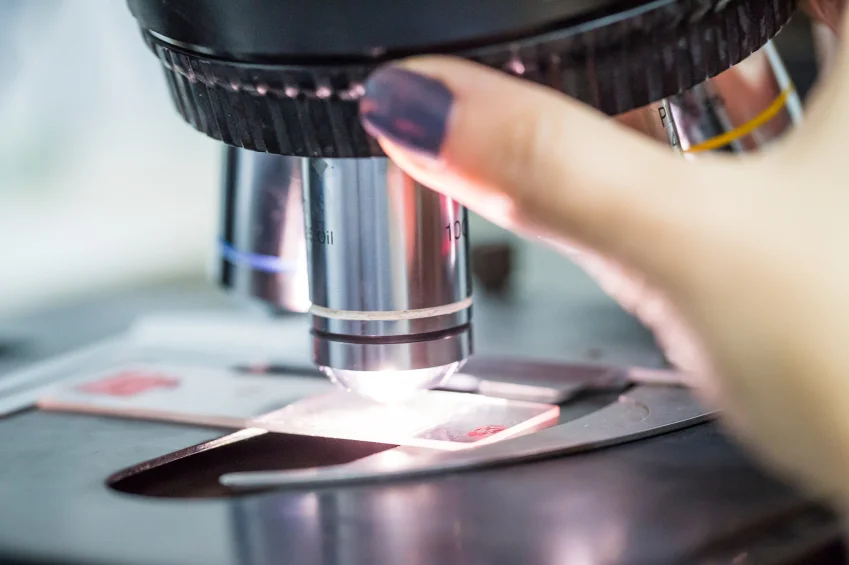
The new 10-minute saliva test uses a technique called liquid biopsy. It works by detecting tumor DNA when it is circulating in the body fluids.
Read MoreThe new 10-minute saliva test uses a technique called liquid biopsy. It works by detecting tumor DNA when it is circulating in the body fluids.
Read MoreM who choose ‘active surveillance’ do not follow up with tests and office visits as they should be.
Read MoreA survivor at heart, Bret Hart has announced his diagnosis and fight against prostate cancer today.
Read MoreObesity, the condition of being considerably overweight, has been shown to be linked to the development of certain cancers.
Read MoreMy PSA is elevated, but I keep having negative biopsies. What does this mean?” This is a common question among many men under the care of a urologist. If you are familiar with prostate cancer,
Read MoreA new study suggests that men with localized prostate cancer living in more highly populated areas are more likely to be treated with surgery or radiation compared to men residing in less populated areas. The study was published in the journal Prostate Cancer and Prostatic Diseases.
Read MoreDr. David Samadi is a world renowned prostate cancer surgeon and urologic oncologist in New York. He specializes in the treatment of prostate cancer, as well as other prostate conditions such as benign prostatic hyperplasia. Dr. Samadi supports new data from MDxHealth suggesting that the diagnostic test, ConfirmMDx, is useful for helping to diagnose or rule out prostate cancer.
Read MoreMany doctors will agree that the most crucial part of the patient interview is obtaining a thorough history which includes a family history. You’ve heard the saying, ‘the apple doesn’t fall far from the tree.’ Typically we hear this in relation to different personality traits which might be similar to our parents, grandparents, or other distant family members. But what if we apply this analogy to genetics and inherited disease as well.
Read MoreIf you have been diagnosed with prostate cancer, a doctor will combine the results of their digital rectal exam (DRE), prostate-specific antigen (PSA) and Gleason score from their biopsy to determine whether their cancer has a chance of spreading (metastasizing) beyond the prostate gland. The compiled data is then used to determine if an imaging test is required to search for any potential spread of prostate cancer.
Read MoreThe most common prostate issues include prostate cancer, enlarged prostate due to benign prostate hyperplasia (BPH), or prostatitis. The best way to prevent prostate problems is by living a healthy lifestyle. There are also many natural ways to promote better prostate health even if you already have symptoms or a diagnosis. If you are already experiencing prostate troubles, these natural changes can help keep these conditions from getting worse, help relieve symptoms, and even help cure them.
Read MoreErectile dysfunction is the inability to achieve and/or sustain an erection adequate for sexual intercourse. A concern for many men with a diagnosis of prostate cancer is whether or not they will still be as sexually functional as they were prior to having received treatment. It can be both physically and emotionally taxing to cope with. It’s important to understand that prostate cancer is not the direct cause for erectile dysfunction, although certain treatments for the disease can directly cause the condition.
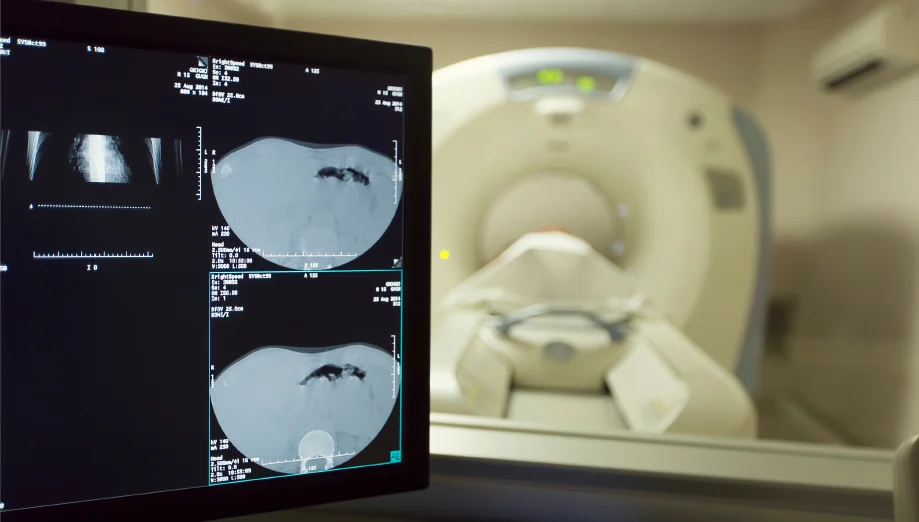
Read MoreNew imaging technologies involving MRI are emerging that are helping urologists more accurately target prostate cancer lesions in men diagnosed with prostate cancer. Over the past couple of years MRIs have become more refined, allowing for more accurate diagnoses of malignant tumors. Now, MRI is able to be fused with other new devices with real-time imaging produced by ultrasound. As a result, doctors are able to perform a biopsy with direct guidance of the needle to the suspicious lesion. The procedure is called a fusion biopsy.
Read More