Why Baseline PSA Screening Should Begin At 40
/
A recent research letter published in JAMA Oncology stated diagnoses of localized prostate cancer has decreased by 20%.
Read MoreA recent research letter published in JAMA Oncology stated diagnoses of localized prostate cancer has decreased by 20%.
Read MoreDetecting prostate cancer can be difficult. It grows very slowly and men will not know they have it as there are no outward signs of a lump.
Read MorePSA velocity is the rate at which your PSA level increases from year to year. This rate of change in PSA levels over time, can give crucial information to a doctor about your potential for cancer.
Read MoreMy PSA is elevated, but I keep having negative biopsies. What does this mean?” This is a common question among many men under the care of a urologist. If you are familiar with prostate cancer,
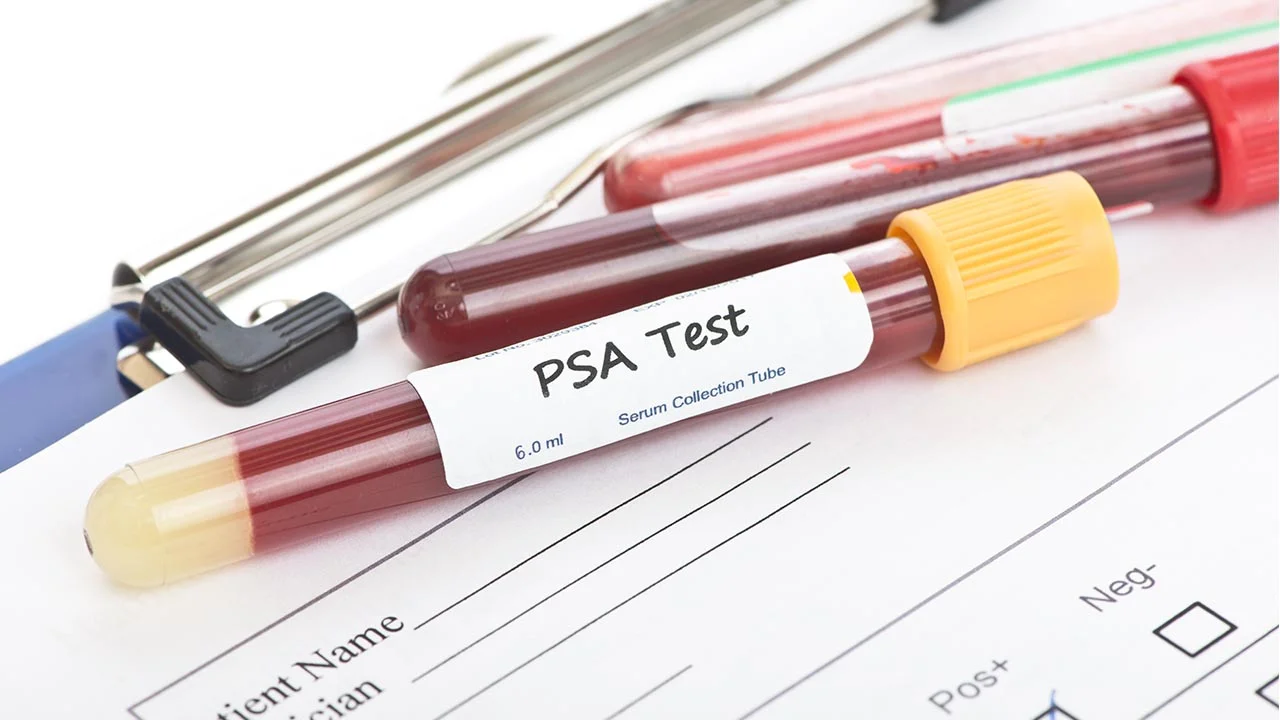
Read MorePSA stands for prostate specific antigen. It is a protein in the blood and is measured by taking a person’s blood to identify the amount of PSA that is present within the blood. PSA is important to measure once a man gets older because if the level is abnormal, or elevated, it may indicate a number of prostate conditions, including prostate cancer.
Read MoreIn mainstream health conversations in the US, the PSA test is debated among experts. However, it is extremely important to get a baseline PSA at age 40. Here's why.
Read MoreOver 233,000 men will be diagnosed with prostate cancer this year and almost 30,000 die every year. We don't have many screening tests available but a new bio markers are being discovered as significant in the process of detecing prostate cancer. Men and women, here's what you need to know.
Read More“My PSA is elevated, but I keep having negative biopsies. What does this mean?” This is a common question among many men under the care of a urologist. If you are familiar with prostate cancer, you know that having an elevated or rising PSA (prostate-specific antigen) may mean you have prostate cancer.
Read MoreNew healthcare guidelines from the Canadian Task Force on Preventive Health Care recommend that men should not have a PSA test to screen for prostate cancer. A PSA test is a simple blood test that measures the amount of prostate-specific antigen in a man’s blood.
Read MoreOctober marks the beginning of all things pink, as Breast Cancer Awareness month kicks off, but that doesn’t mean we should forget about Prostate Cancer and the awareness we which we raised for it in September.
Read MoreSeptember marks Prostate Cancer Awareness Month, and as a result, women throughout the United States have a valuable addition to their to-do list. We are urging women to take advantage of this month, and remind the men in their lives to get screened.
Read MoreWhat does a rising PSA after surgery mean? What can be done to help patients experiencing this?
Read More