Hormone Therapy & Cardiac Risk
/Hormone therapy for prostate cancer, also called androgen deprivation therapy (ADT), is often used when the cancer has spread too far within the body or if surgery or radiation has not been effective.
Read MoreHormone therapy for prostate cancer, also called androgen deprivation therapy (ADT), is often used when the cancer has spread too far within the body or if surgery or radiation has not been effective.

Read MoreSomewhere along the line, and for a long time since, a notion arose that men with prostate cancer shouldn't undertake testosterone therapy.
Read MoreApproximately 14 percent of men will be diagnosed with prostate cancer at some point in their lifetimes, according to the National Institutes of Health.
Read MoreErectile dysfunction is the inability to achieve and/or sustain an erection adequate for sexual intercourse. A concern for many men with a diagnosis of prostate cancer is whether or not they will still be as sexually functional as they were prior to having received treatment. It can be both physically and emotionally taxing to cope with. It’s important to understand that prostate cancer is not the direct cause for erectile dysfunction, although certain treatments for the disease can directly cause the condition.
Read MoreThe MRI fusion guided prostate biopsy “fuses” MRI scans with real-time ultrasound images of the prostate. This cutting-edge biopsy system allows us here at the Dr. David Samadi Prostate Cancer Center to pinpoint specific tumors within the prostate gland. This information provides the patient with the most optimal treatment plan and best possible outcome in detecting and diagnosing prostate cancer.
Read MoreNew research from Dana-Farber Cancer Institute in Boston suggests that statins may help slow the growth of prostate cancer in patients receiving hormone therapy. Here's what men need to know.
Read MoreNew research has emerged these past few weeks on prostate cancer diagnosis, treatment and its genetic root. There's a big debate in how prostate cancer should be treated in older verses younger men. Now, a new study is showing where the gaps are and in particular when we find aggressive prostate cancer, how it should be treated.
Read MoreNew healthcare guidelines from the Canadian Task Force on Preventive Health Care recommend that men should not have a PSA test to screen for prostate cancer. A PSA test is a simple blood test that measures the amount of prostate-specific antigen in a man’s blood.
Read MoreFor a surgeon who has successfully treated prostate cancer in many thousands of men by removing their prostate gland, the idea that science might one day be able to regenerate this gland using stem cells is a foreign one — and yet highly intriguing.
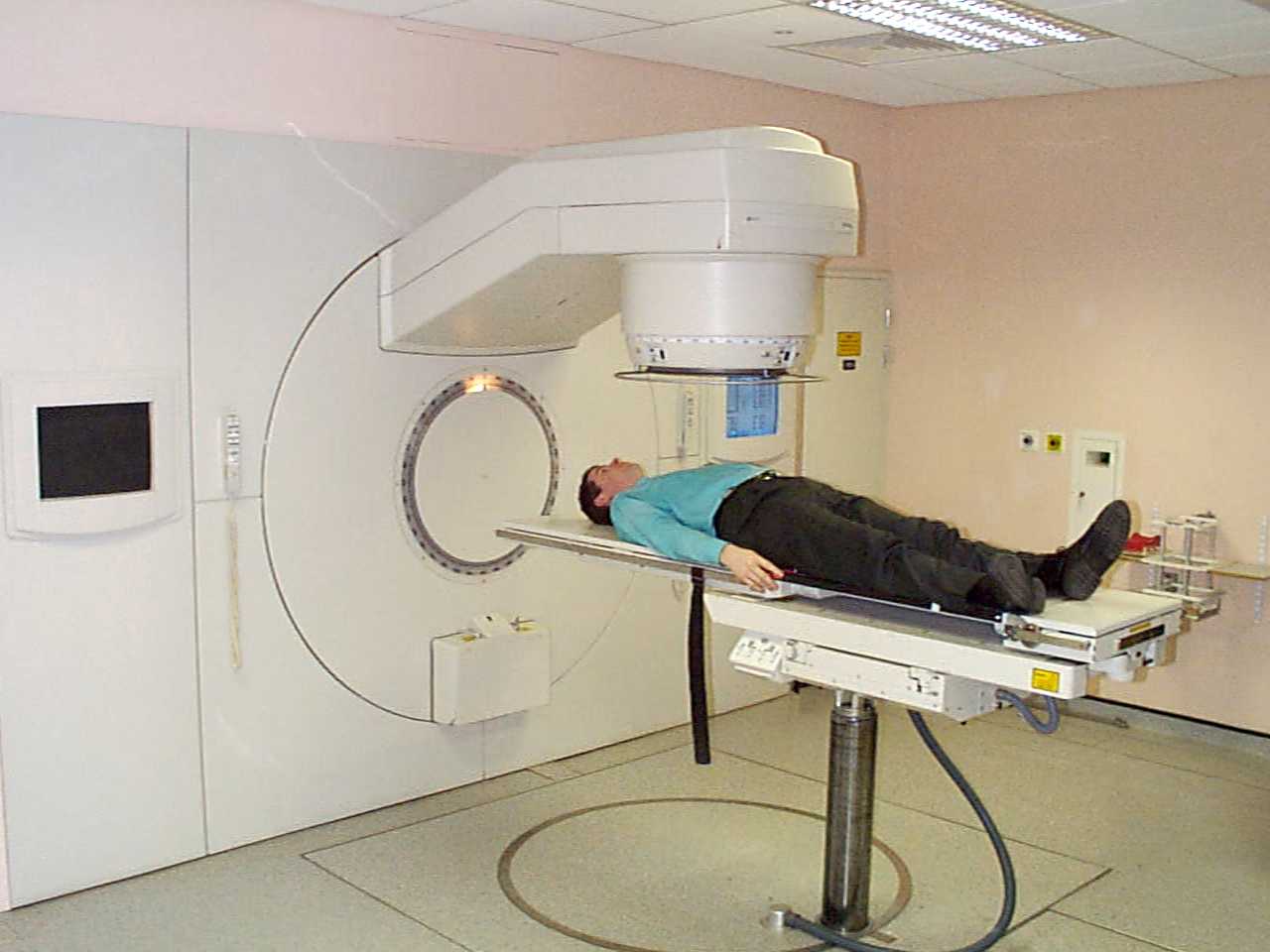
Read MoreOver the past several months, journalists have exposed some risks of radiation therapy that have been previously unknown, sometimes with disastrous consequences.
Read MoreAfter being diagnosed with prostate cancer, the wide variety of treatment options can be confusing for even the most educated of patients.
Read More