How to manage an enlarged prostate
/
As a man ages BPH becomes more common with about half of all men between the ages of 51 and 60 developing it and up to 90% of men over age 80 will have it.
Read MoreAs a man ages BPH becomes more common with about half of all men between the ages of 51 and 60 developing it and up to 90% of men over age 80 will have it.
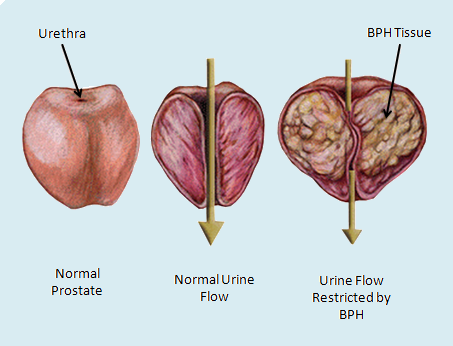
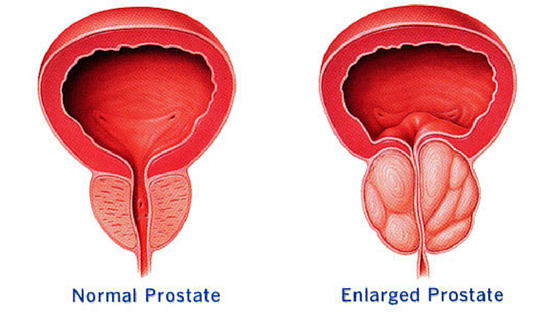
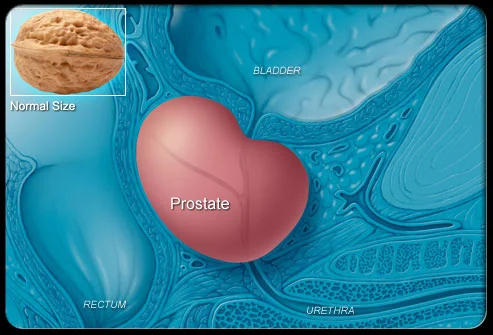
Read MoreBenign prostatic hyperplasia (aka BPH, benign prostatic hypertrophy, or an enlarged prostate) is a condition that most often affects older men. As men get older, the prostate gland naturally becomes enlarged. This can put pressure on the bladder and urethra, causing problems with urination. Over 50 percent of men in their 60s and up to 90 percent of men in their 70s and 80s have some symptoms of an enlarged prostate.
Read MoreProstate gland enlargement, otherwise known as benign prostatic hyperplasia, BPH, or benign prostatic hypertrophy, is a condition that most often affects older men. As men get older, the prostate gland naturally becomes enlarged. This can put pressure on the bladder and urethra, causing problems with urination. Over 50 percent of men in their 60s and up to 90 percent of men in their 70s and 80s have some symptoms of an enlarged prostate.
Read MoreThe enlarging of the prostate gland occurs naturally as men age. Unfortunately, this process can press on the urethra and result in nuisance side effects including urination and bladder problems. The good news is that an enlarged prostate is benign (not cancerous) nor will it increase your risk of prostate cancer; for these reasons it is often referred to as benign prostatic hyperplasia (BPH) or benign prostatic hypertrophy.
Read More