Reasons for an elevated PSA
/
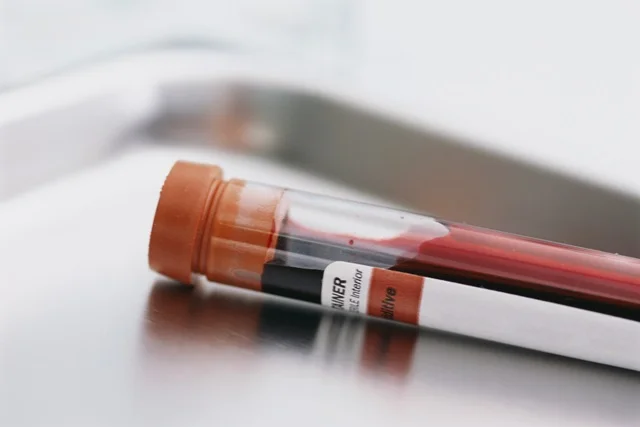
Typically when a man’s PSA blood level is elevated it is associated with prostate cancer. But there can be additional reasons besides prostate cancer influencing a man’s PSA level to rise.
Read MoreTypically when a man’s PSA blood level is elevated it is associated with prostate cancer. But there can be additional reasons besides prostate cancer influencing a man’s PSA level to rise.
Read MoreNew imaging technologies involving MRI are emerging that are helping urologists more accurately target prostate cancer lesions in men diagnosed with prostate cancer. Over the past couple of years MRIs have become more refined, allowing for more accurate diagnoses of malignant tumors. Now, MRI is able to be fused with other new devices with real-time imaging produced by ultrasound. As a result, doctors are able to perform a biopsy with direct guidance of the needle to the suspicious lesion. The procedure is called a fusion biopsy.
Read MoreTwo new studies published on Tuesday in The Journal of the American Medical Association highlight that likely in accordance to USPSTF recommendations against screening, fewer men are being screened for prostate cancer and fewer cases of early state prostate cancer are being detected. The question is, if decreased screening is leading to a lower rate of diagnosis, what does this mean for the future of prostate cancer patients?
Read MoreAn elevated PSA can mean a number of underlying conditions. Many people often associate an elevated PSA with prostate cancer, but that is not always the case. While prostate cancer is very common among older men, there are other conditions that may be affecting the prostate that could be the reason for developing an elevated PSA.
Read More