Study finds tall and/or obese men at higher risk of aggressive prostate cancer

Dr. David Samadi provides his expert commentary on a recent large European prospective study finding evidence that men with greater height and adiposity (high BMI and waist circumference) have an elevated risk of high-grade prostate cancer and prostate cancer death. 

Read More


World renowned robotic prostate cancer surgeon in New York supports new study for use of ConfirmMDx

World renowned robotic prostate cancer surgeon in New York supports new study for use of ConfirmMDx

Dr. David Samadi is a world renowned prostate cancer surgeon and urologic oncologist in New York. He specializes in the treatment of prostate cancer, as well as other prostate conditions such as benign prostatic hyperplasia. Dr. Samadi supports new data from MDxHealth suggesting that the diagnostic test, ConfirmMDx, is useful for helping to diagnose or rule out prostate cancer.

Read More

Tips for better prostate health

Tips for better prostate health

The most common prostate issues include prostate cancer, enlarged prostate due to benign prostate hyperplasia (BPH), or prostatitis. The best way to prevent prostate problems is by living a healthy lifestyle. There are also many natural ways to promote better prostate health even if you already have symptoms or a diagnosis. If you are already experiencing prostate troubles, these natural changes can help keep these conditions from getting worse, help relieve symptoms, and even help cure them.

Read More

Treatment for BPH

Treatment for BPH

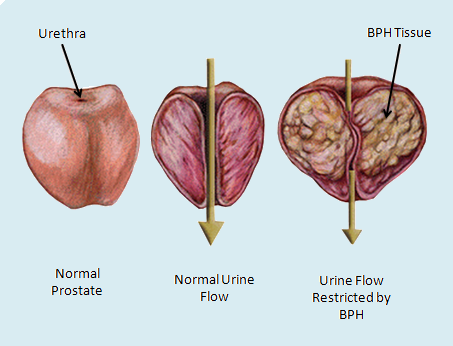
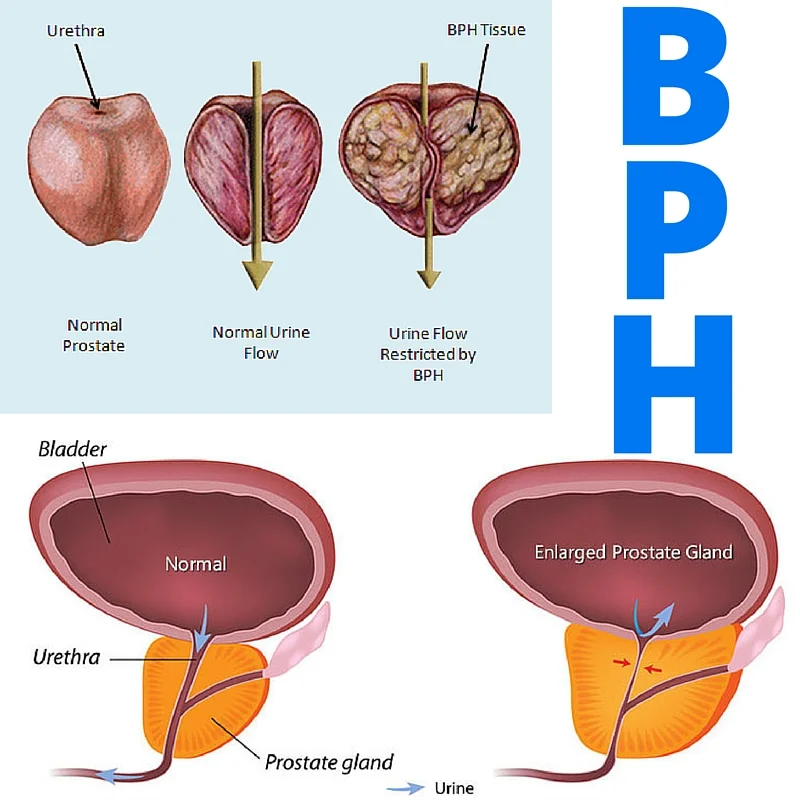
Benign prostatic hyperplasia (BPH) is a condition that occurs in men usually over 50 years old and is characterized by an enlarged prostate. As men age, it is natural for the prostate to become enlarge. BPH is a noncancerous growth of the cells within the prostate gland. By age 60, more than half of men have BPH. By age 85, about 90 percent of men have BPH, but only about 30 percent will have symptoms.

Read More

Why Do Men Get BPH?

Why Do Men Get BPH?

Benign prostatic hyperplasia (aka BPH, benign prostatic hypertrophy, or an enlarged prostate) is a condition that most often affects older men. As men get older, the prostate gland naturally becomes enlarged. This can put pressure on the bladder and urethra, causing problems with urination. Over 50 percent of men in their 60s and up to 90 percent of men in their 70s and 80s have some symptoms of an enlarged prostate.

Read More

Treatment for BPH

Treatment for BPH

Benign prostatic hyperplasia (BPH) is a condition that occurs in men usually over 50 years old and is characterized by an enlarged prostate. As men age, it is natural for the prostate to become enlarge. BPH is a noncancerous growth of the cells within the prostate gland. By age 60, more than half of men have BPH. By age 85, about 90 percent of men have BPH, but only about 30 percent will have symptoms.

Read More

Oncotype DX: New Genetic Test For Prostate Cancer

Oncotype DX: New Genetic Test For Prostate Cancer

A new genetic test has recently become available called Oncotype DX. The test is made by Genomic Health and will now be available at Dr. Samadi's Prostate Cancer Center in New York City. What is Oncotype DX? The Oncotype DX prostate cancer test is a biopsy-based genetic test that can be combined with other measures to predict the aggressiveness of prostate cancer. The test applies advanced genomic science to reveal the unique biology of a tumor in order to optimize cancer treatment decisions for each individual patient.

Read More