Benefits and Risks of Testosterone Therapy
/
What's going on? Is everyone who undergoes this therapy really benefiting from it?
Read More
Men's Health. Discover daily stories on the latest in men's health from Dr. David Samadi. Learn about top global and national health issues related to men's health such as common cancers, prostate cancer, exercise tips, male body issues, male health screenings and prevention methods. Explore healthy solutions for men's health.
What's going on? Is everyone who undergoes this therapy really benefiting from it?
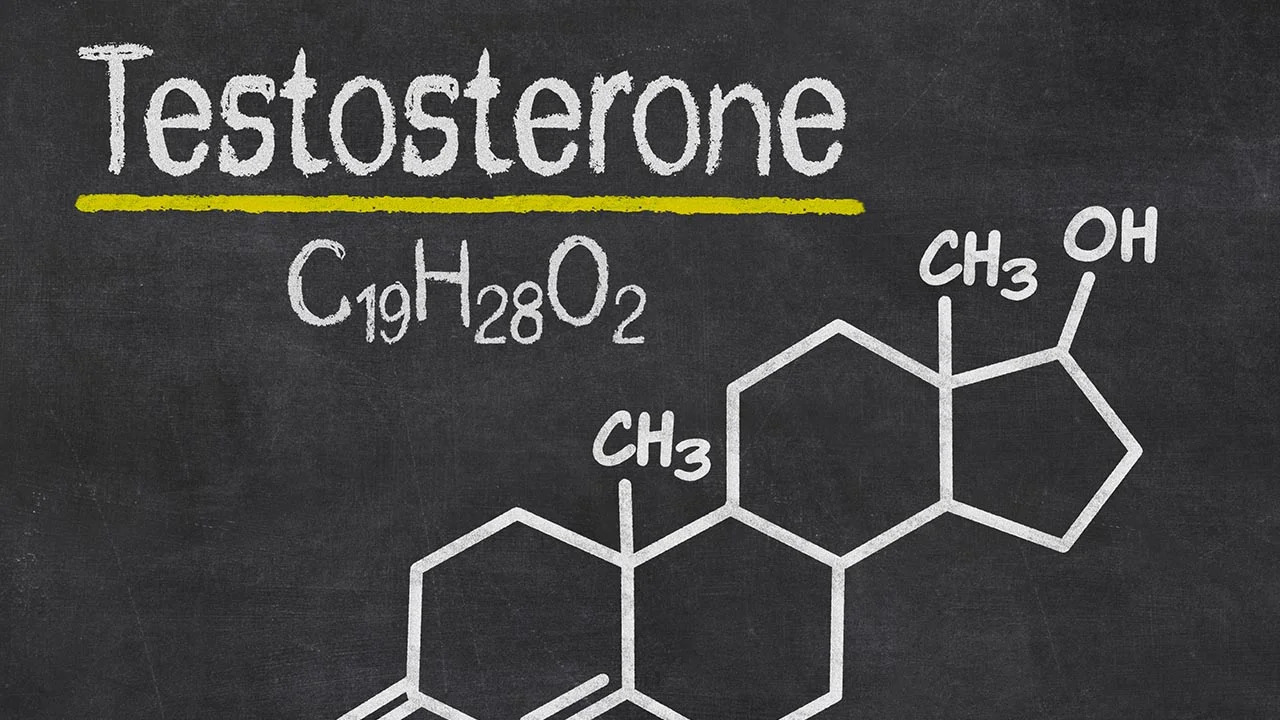
Read MoreTestosterone is a hormone which is primarily produced in the testicles, and to a lesser extent, by the adrenal gland, with regulation controlled by the pituitary gland.
Read MoreRestoring testosterone production in men may be as effective as replacing it, without compromising their fertility.
Read MoreTreating men who have androgen deficiency with a 2 percent testosterone solution helped improve their sex drive and energy for at least 9 months without adding adverse effects, researchers say.
Read MoreMedicine continues to indulge Man's ancient quest for eternal youth, and one of those wannabe El Dorados is found in urology. Testosterone therapy (sometimes called androgen replacement therapy) has held out the promise of more vigorous twilight years for many men looking to turn back time.
Read MoreEvery twenty-four hours, one man dies of testicular cancer? According to the American Cancer Society, it is one of the leading cancers in men between the ages of 15 and 35. The average age of diagnosis is 33 years old. Cancer is often thought of as an older person’s disease. However, younger men need to be on the lookout for testicular cancer.
The good news – testicular cancer is one of the most curable cancers. If caught in time, it is highly treatable, even after the cancer has spread outside the testicles. The best way men can minimize their risk for testicular cancer is to know the key information about the disease.
Key facts about testicular cancer:
· Typically develops in one or both testicles in young men
· Most common cancer in American males ages 15-35
o Average age of diagnosis – 33 years old
o 6% of cases occur in children and teens
o 7% occur in men over 55
· Every 24 hours, 24 men will be diagnosed with testicular cancer
· Every 24 hours, one man dies from testicular cancer
· Highly treatable and usually curable
o Over 95% survival rate
Risk factors
· Undescended testicle
· Family history
· HIV infection
· History of carcinoma in situ (non-invasive form of testicular germ cell cancer)
· Cancer of the other testicle
· Age 20-39 at highest risk
· Race and ethnicity – most common in white men
· Body size – taller men may be more prone
Signs and symptoms
· Lump or swelling in either testicle
· Discomfort or pain in testicle
· Feeling of heaviness in scrotum
· Pain in back or lower abdomen
· Enlargement of testicle
· Change in way testicle feels
*May be no symptoms at all
Recommendations for testicular self-exam
· American Cancer Society recommends a testicular exam by a doctor as part of a routine cancer-related check-up
· Does not recommend regular self-exams for all men
· Some doctors recommend all men perform monthly self-exams after puberty (esp. those with risk factors)
There has been much debate over the past few years on the notion of whether to treat men with low testosterone levels.
Read More