Health screenings every man should have
/
The cheapest and most effective way to keep healthy is to have regular preventative health screenings.
Read More
Men's Health. Discover daily stories on the latest in men's health from Dr. David Samadi. Learn about top global and national health issues related to men's health such as common cancers, prostate cancer, exercise tips, male body issues, male health screenings and prevention methods. Explore healthy solutions for men's health.
The cheapest and most effective way to keep healthy is to have regular preventative health screenings.
Read MoreIt is their time and their chance to be an advocate for themselves. It is not the time to clam up barely asking any questions regarding their health.
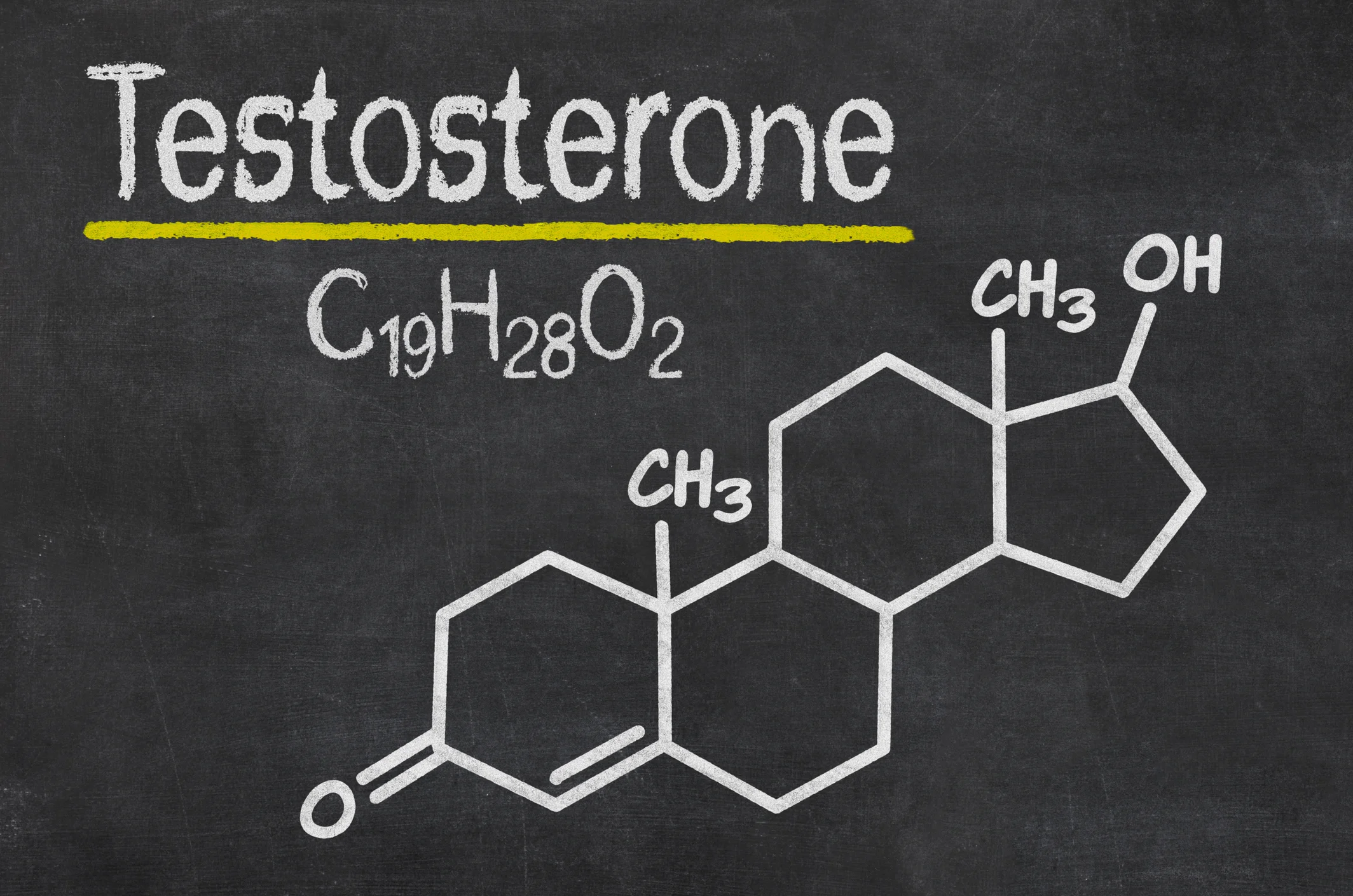
Read MoreThe male hormone testosterone is a potent chemical messenger directly influencing an array of physiological processes. From functioning as the regulator of a healthy sex drive in men to maintaining the male physique to increasing a man’s competitive nature, testosterone has far-reaching and powerful effects on a man’s body and mind.
Read MoreFor most men, it beats becoming bald. Others think it makes them look “distinguished.” But a group of scientists from Cairo University in Egypt believe that gray hair may be a harbinger of cardiovascular disease (CVD) in men.
Read MoreThere is one thing all men can do to make tremendous health strides – choose really nutritious foods. All men love to eat but there are certain foods that stand out specifically in helping men see major health improvements – reductions in cholesterol and blood pressure levels, improvements in memory, prostate health and even their love life, just to name a few.
Read MoreThe dark topic of suicide is never an easy one to discuss. Yet, it is a topic that should be broached as the stigma of suicide leads to individuals who are unnecessarily taking their lives when they could be helped. When we look the other way or ignore the fact there are people every day who make the decision to end their life, we are essentially making our own decision to not get involved instead of trying to reach out to them in their time of despair and hopelessness.
Read MoreTestosterone replacement therapy (TRT) is all the rage when it comes to replacing this all-important male hormone. When a man discovers he has low testosterone (low T) his first reaction is often to want to be given a prescription for treating this condition right away.
Read MoreUndescended testicles also known as cryptorchidism, is when a testicle fails to drop into the normal place in the scrotum. As a baby boy develops inside his mother’s womb, the testicles begin forming in the lower abdomen. About eight weeks before birth, the testicles will move down into the scrotum or the sac that hangs below the penis.
Read MoreIt is likely few of us know of any man who has been diagnosed with penile cancer. Penile cancer is considered a rare cancer for men in the North America and Europe as less than 1 man in 100,000 each year is diagnosed accounting for less than 1% of cancers of men in the United States. For the year 2017, the American Cancer Society estimates 2,120 new cases of penile cancer will be diagnosed with about 360 deaths from it. Early detection and understanding how to spot the symptoms of it is critical to overcoming this cancer.
Read MoreVaricoceles are veins that become enlarged inside the scrotum of men – comparable to developing a varicose vein in a leg. The scrotum is a sac that holds the testicles and is part of the male reproductive system that makes, stores, and moves sperm. The testicles make sperm and the hormone testosterone. Sperm that are in the process of maturing will move through the epididymis, a coiled tube behind each testicle.
Read MoreThere is a long, narrow tube tightly coiled at the back of the testicles called the epididymis. This little known curved structure is where sperm can mature and be stored in. If the epididymis becomes inflamed it is then known as epididymitis. Epididymitis is not a commonly known condition but once a man has it, he probably won’t forget it. Each year more than 60,000 men in the United States will visit an emergency room due to this problem.
Read MoreMen can contract breast cancer same as a woman, although the number of cases are very, very rare. It is much more common in older men, although young men are in danger from it as well.
Read MoreRemember the song “Walk like a man” by the Four Seasons? Maybe it wasn’t exactly referring to walk as in getting in more exercise, but we can pretend it was in a subtle way meaning just that. And yes, men should walk – a lot. But unfortunately walking as a legitimate form of beneficial exercise may be seen by some men as being, well, rather unmanly.
Read MoreInflammatory bowel disease (IBD) is a chronic inflammation of all or part of the digestive tract. IBD is a debilitating condition that includes ulcerative colitis and Crohn’s disease with symptoms that can range from severe diarrhea, pain, fatigue, and weight loss.
Read MoreBladder cancer is the fourth most common malignancy in the United States and is also considered one of the 10 deadliest cancers. The American Cancer Society estimates for 2017 that about 60,490 new cases of this cancer will be diagnosed in men. If there’s a cancer men are more likely to get than women it is bladder cancer - for 2017 18,540 women are estimated to receive the diagnosis of this disease. Recognizing the symptoms associated with bladder cancer can be crucial as the sooner it is discovered, the more likely a person will survive the disease.
Read MoreYou may not have paid much attention to this (then again, you may have lost countless nights' sleep because of it...) but short men are likely to have an increased risk of becoming prematurely bald.
Read MoreIf orchitis is not a regular part of a man’s vocabulary that’s okay – orchitis is much more likely to be referred to what it is more commonly known as which is inflammation of one or both testicles in men that is usually caused by an infection.
Read MoreDoes seeing a man who is bald make you think, “He is a heart attack waiting to happen?” That has been the message over the years that men who are bald or balding having higher rates of coronary heart disease. But is there any truth to this notion and if so, why?
Read MoreFor a healthier shave, start by washing your face with a facial cleanser.
Read MoreThe most common medical procedure in the U.S. is infant male circumcision. The long-term-health impact of neo-natal circumcision has received little study while the consequences of circumcision on sexual function in the adult male have received even less attention.
Read More