Do Churchgoers Live Longer?
/
Go to church and live longer!
Read More
Future of Healthcare. Healthcare as an industry is changing through technology, medical and research innovations, physician reform and hospital re-organizations. Dr. David Samadi will explore long term issues, debates innovations directly influencing the healthcare industry and what both healthcare professionals and patients need to know.
One of the big problems at the crux of living a better, healthier, cleaner life is that there are so very many changes to make and directions to turn.
Read MoreOne of the easiest and most important ways to prevent the spread of germs or infections is by simply washing your hands properly. This is especially important for people who commute or during big travel seasons when people get together for parties and other celebrations. Germs can spread very easily by simply touching a person or contaminated objects or surfaces and then touching your face.
Why is washing your hands so important?
When people don't wash their hands they can spread a number of illnesses, including the common cold. Each year, the cold accounts for roughly 22 million missed school days and 20 million sick days from work. Although there is no way to completely get rid of germs, frequent hand-washing can significantly limit the spread of viruses, bacteria and other microbes but only when done properly.
The CDC offers the following hand-washing guidelines:
To avoid getting sick, the CDC suggests that hands should always be washed before:
· preparing food or eating
· treating cuts or other wounds
· handling medicine or caring for someone sick
· touching contact lenses
and after:
· handling raw meat and poultry
· using the bathroom or changing a diaper
· touching animals or pet toys, leashes or waste
· coughing, sneezing or nose blowing
· treating wounds or caring for a sick person
· carrying garbage
· chemicals or anything that could be contaminated
· using public transportation
When soap and water are not available, alcohol-based hand sanitizers that contain at least 60 percent alcohol can effectively clean hands.
Besides washing hands, what other preventative measures can you take to avoid getting sick?
1. Eat more yogurt: Probiotics found in yogurt, are good bacteria that keep the gut and intestines healthy. Research has found that yogurt, owing to these probiotic properties, stimulates the production of white blood cells, fending off colds.
2. Get more Sleep: Lack of sleep can increase inflammation and inhibit the immune response by altering the way your genes function. Not getting enough sleep increases your chances of catching colds and the flu. Sleep also helps the body induce a better fever response to kill infection, when we don’t sleep the body has a hard time fighting infection this way.
3. Avoid excessive drinking: Alcohol suppresses your immune system at a rate that is proportional to the amount you consume. This means the more drinks you have, the bigger blow to your immune system. Alcohol triggers a flood of cytokine proteins that induce fever and inflammation. Alcohol also suppresses the ability for white blood cells to multiply and subsequently fend off a cold.
Mild cognitive impairment is the stage between normal brain aging and dementia. Mild cognitive impairment is actually a risk factor for dementia.
Read MoreThe scourge that is diabetes continues to ravage lives and economies worldwide. As of 2015, an estimated 8.3 percent of the population – 415 million people – had the disease, which is killing us at a rate of up to 5 million lives per year.
Read MoreLittle known scary medical fact: More than 25% of the people on the national US waiting list for a heart will die before receiving one.
Read MoreResearchers at Massachusetts General Hospital (MGH) have just announced that they have taken the first steps toward bio-engineering a human heart.
Read MoreThe popularity of the vaginal seeding procedure has never been more popular, but exactly how safe is it? A recent discussion in the British Medical Journal casts a wary eye on the whole business.
Vaginal seeding refers to the procedure whereby a child born via a Cesarean section is swabbed shortly after birth with vaginal fluid. The intention is for the newborn to benefit from the vaginal microbiota.
Microbiota are the communities of microbes that colonize your body. These microbes actually outnumber your own cells 10 to 1. The key point here is that these complex communities are quite different from one body part to another. And characteristic differences in the microbiota are associated with various diseases. Studies have shown that early-life microbiota play a role in the developing immune system. Consequently, interest has been generated in the potential for manipulating our bodies' microbiota to promote health and treat disease.
The microbiota of the skin of a newborn baby born via Cesarean section most closely resembles that of the mother's skin. A vaginally-delivered baby, however, has skin microbiota that resembles the mother's vagina.
What's the difference? Nothing concrete, except that some studies have shown that babies delivered by Cesarean section have an increased risk of asthma, obesity, and autoimmune disease later in life. And we do know that our microbiota play a role in these conditions.
So, better safe than sorry, right? If the simple and inexpensive procedure of swabbing a newborn with Mom's vaginal fluid has even a slight chance of heading off some nasty ailments forty years later, why wouldn't you?
To start with, the vagina can carry pathogens that are neither screened for nor symptomatic in Mom, but can have serious effects on her child. For example, up to 30% of pregnant women are known to carry group B streptococcus, which is one of the most common causes of bacterial blood stream infections in babies. Other possible pathogens include the herpes simplex virus, Neisseria gonorrhoeae, and Chlamydia trachomatis. These last two can cause a form of neonatal conjunctivitis.
The authors of the British Medical Journal piece are of the opinion that “encouraging breastfeeding and avoiding unnecessary antibiotics may be much more important than worrying about transferring vaginal fluid on a swab." Given that we are many years away from the results of any kind of research that might conclude there is any concrete benefit, we'd had to agree.
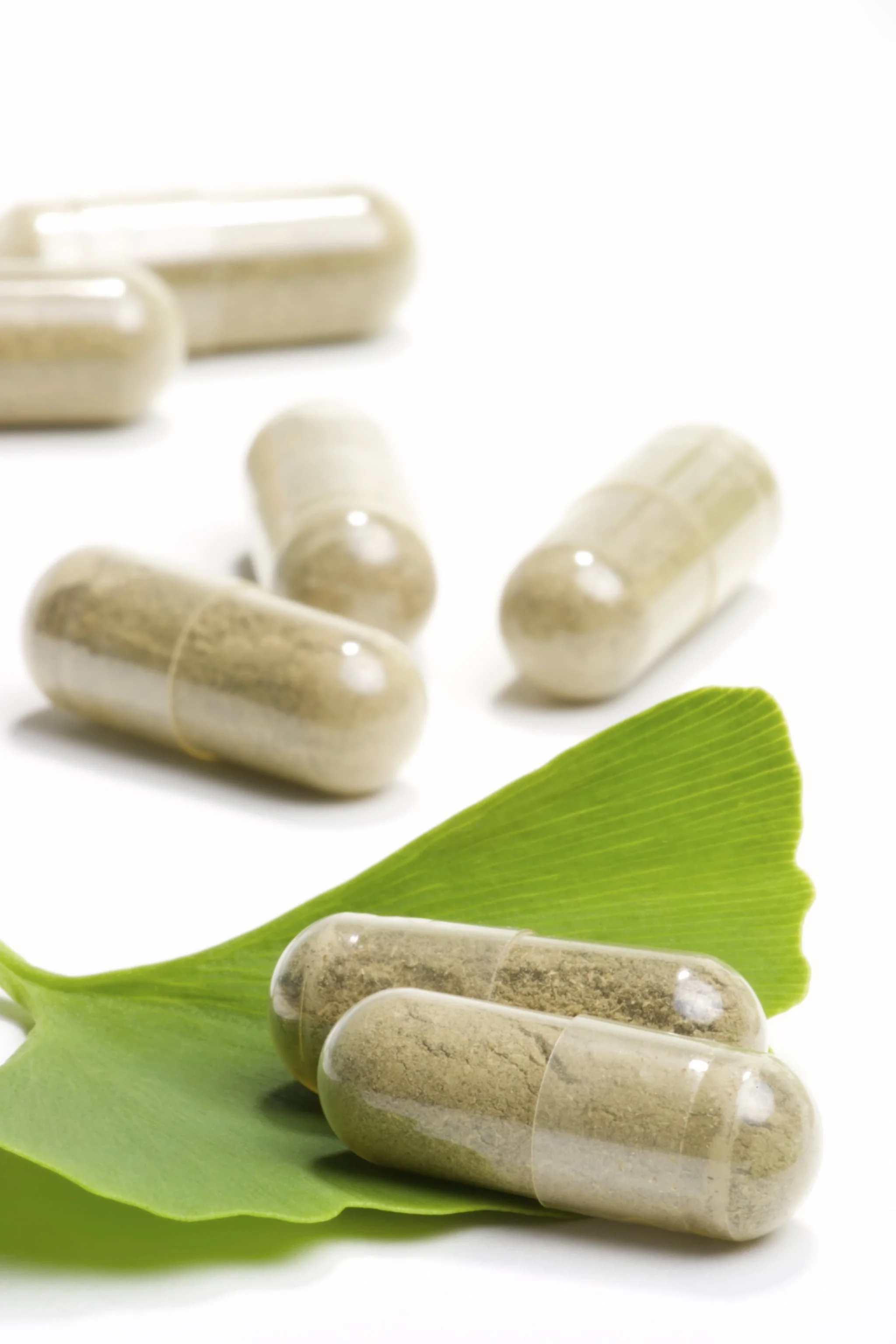
Ginkgo biloba has been used medicinally for over 5000 years. Originally extracts were used to treat pulmonary diseases, such as bronchitis and asthma. More recently, however, ginkgo has been favored to prevent memory loss and dementia. It is believed that flavonoids within the plant are responsible for its proposed medicinal effects, with over 40 different flavonoids have been isolated from leaves from the ginkgo tree.
Read More