Leveling Up: Can Video Games Be Good for Kids?

Leveling Up: Can Video Games Be Good for Kids?

Video games have taken a lot of heat from armchair psychologists and parents in the past. But when you examine the actual research filed, it turns out that the release of the latest Tom Clancy first person shooter might not signal the collapse of civilization after all.

Read More

Digital Health Innovation: Handheld Device for Rapid Assessment of Vital Signs

Digital Health Innovation: Handheld Device for Rapid Assessment of Vital Signs

A small trial of a portable device that can rapidly read a patient's vital signs shows it performs well compared with standard hospital monitors. The hand-held, battery-powered device - called MouthLab - is the invention of biomedical engineers at Johns Hopkins University School of Medicine in Baltimore, MD. The device, which picks up vital signs from the patient's lips and fingertips, could replace the cumbersome and restrictive equipment currently used in hospitals.

Read More

Digital Health Innovation: New Non-Invasive Skin Cancer Test

Digital Health Innovation: New Non-Invasive Skin Cancer Test

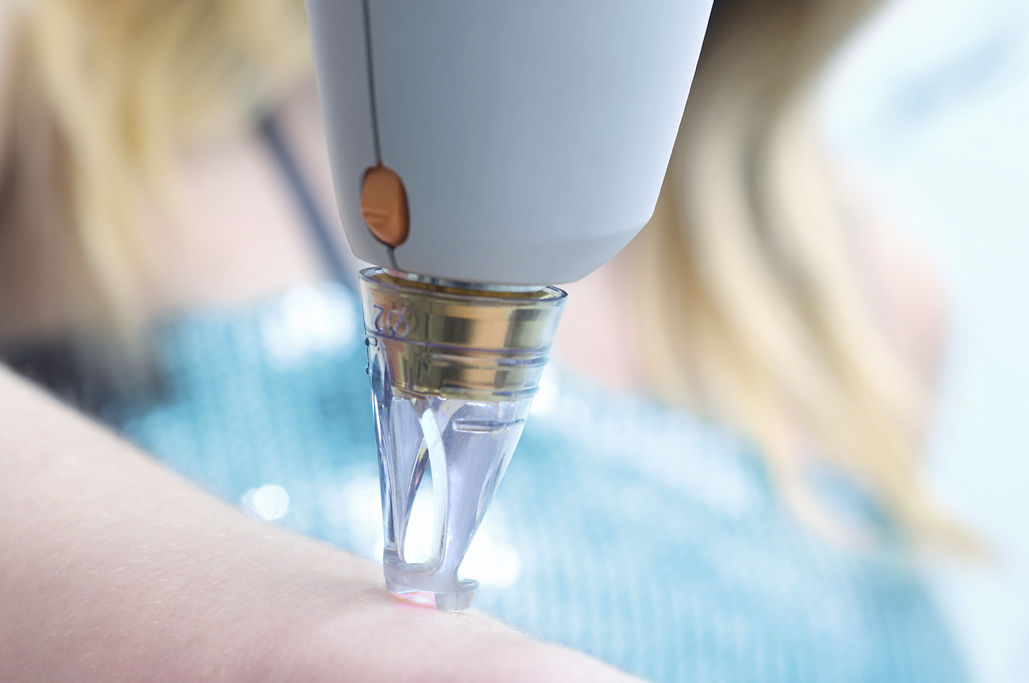
A new research report published online in Nature Scientific Reports announced that a team of scientists have developed a special technique to detect the subtle differences in blood flow beneath the skin. The researchers used a laser technique to tell the difference between noncancerous moles and malignant melanoma. The study was led by Pisa University in Italy and the Lancaster University. Researchers at Pisa University Hospital have monitored 55 patients with atypical moles.

Read More

Can the tech in our lives increase risk of skin cancer?

Can the tech in our lives increase risk of skin cancer?

The major risk factors for skin cancer continue to be for those people who have fair skin or a lighter natural color, family history of skin cancer or personal history of skin cancer, ultraviolet light exposure from the sun or indoor tanning. UV radiation is a proven human carcinogen skin that burns easily, gets red easily or becomes painful in the sun. But now a new study says the tech in our lives such as devices like tablets, smartphones and laptops can actually reflect these ultraviolet light from the sun and may directly increase an individual's exposure to the cancer-causing wavelengths. 

Read More

GOOGLE TO COLLABORATE ON 'NEXT-GENERATION' GLUCOSE MONITORING DEVICES

GOOGLE TO COLLABORATE ON 'NEXT-GENERATION' GLUCOSE MONITORING DEVICES

The life sciences team at Google will be joining forces with DexCom, a company specializing in glucose monitoring devices, to develop a new low-cost bandage-sized sensor for people with diabetes. In addition to being small and low-cost, the new wearable sensor will be disposable and usable by people with all types of diabetes. The device will be connected to The Cloud and provide real-time information. DexCom state that the aim of the partnership is to develop next-generation continuous glucose monitoring products that will be "substantially smaller and much less expensive than existing technologies."

Read More

MUSIC 'REDUCES PAIN AND ANXIETY' FOR SURGERY PATIENTS

MUSIC 'REDUCES PAIN AND ANXIETY' FOR SURGERY PATIENTS

New study says listening to music before, during and after an operation can help reduce pain. Researchers at Queen Mary University of London said the patients who had listened to music had been less anxious after their surgery and had needed less pain relief. They said music had been effective even while patients had been under general anaesthetic. The Department of Health said doctors should consider the findings. The scientists want hospitals to suggest in NHS information leaflets that patients bring music devices and playlists into hospital with them.

Read More

Feeling Depressed? Your Phone May Detect It

Feeling Depressed? Your Phone May Detect It

Phone data could predict with 87% accuracy whether someone had depressive symptoms. Most of us are pretty attached to our phones, and researchers are starting to figure out what that connection can tell us about our health, including our mood. In fact, your phone may be able to tell if you’re depressed even better than a self-assessment of your own depression can, according to a small new study published in the Journal of Medical Internet Research.

Read More

New FDA-Approved 3D Printed Drug: Personalized Medicine Has Arrived

New FDA-Approved 3D Printed Drug: Personalized Medicine Has Arrived

Much excitement along with skepticism arose this week as the FDA approved the first 3D printed prescription drug to treat epilepsy. Produced by the drug maker, Aprecia Pharmaceuticals, the FDA has approved the drug named Spritam for both adults and children suffering from certain types of seizures caused by epilepsy. 3D printing is disrupting many production methods that date all the way back to the Industrial Revolution, from fashion and retail to computer science and healthcare. We’ve seen this concept of bio printing quickly come to life where instead of traditional “ink” the printers spray human cells. 

Read More