How to minimize your risk of skin cancer

How to minimize your risk of skin cancer

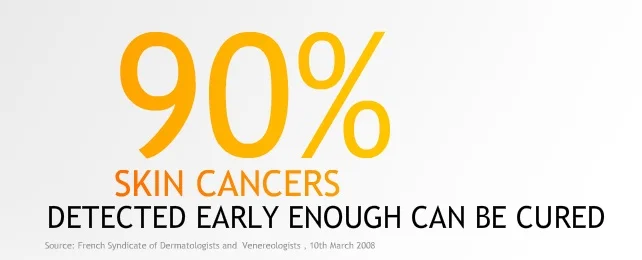
As the days get longer and the weather warmer that means one thing - more time spent outside in the sun.  Already many of us are venturing outdoors enjoying the warm spring days but there is one thing we must always do before we head outside – put on our sunscreen.  We’ve always known sunscreen use of SPF 30 or higher prevent sunburns but now researchers have proved it can also prevent melanoma, the most common form of cancer in the United States.

Read More


Can Aspirin Protect Against Colon Cancer?

Can Aspirin Protect Against Colon Cancer?

Previous studies have proved that aspirin taken daily can also reduce the risk of stroke or heart attack. For that purpose, it is enough to take daily a low-dose version of aspirin-containing only 81 mg of active ingredients. According to the scientists, other types of nonsteroidal anti-inflammatory drugs (NSAIDs) can reduce the risk even more. For instance, the study found that those people who took non-aspirin NSAIDs over a period of at least five years were 30% to 45% less likely to have colorectal cancer than people who didn't take the medication.

Read More

Second Cancers On The Rise

Second Cancers On The Rise

Second cancers are on the rise. Nearly 1 in 5 new cases in the U.S. now involves someone who has had the disease before. Cancer recurrence has a different approach from doctors. But when they speak on second cancers, they're referring to cancer occurring in a different tissue type or completely other site in the body, not recurrence or spread of the original tumor. Almost 19% of cancers in the United States are second-or-more cases, according to a recent study. In the 1970s, it was only 9 percent. Over that period, what changed? Could it be lifestyle factors, the rise of obesity contributing to diabetes and other cardiovascular diseases? Over the course of 40 years, that number rose 70%, while the number of second cancers rose 300%. 

Read More

Penile Cancer Risk Factors

Penile Cancer Risk Factors

Penile cancer in the United States is quite rare. It occurs in less than 1 in 100,000 men and accounts for less than 1 percent of cancers in men in the United States. It is more common in areas of Asia, African, and South America. The most common type of penile cancer is squamous cell carcinoma, which usually forms on or under the foreskin. Signs and symptoms of penile cancer may include discharge, redness, irritation, or sores, a lump on the penis, or bleeding.

Read More

Facts About Colorectal Cancer

Facts About Colorectal Cancer

Colorectal cancer is cancer of the colon or the rectum. The colon is also known as the large intestine and the rectum sits at the bottom of the colon, connecting the colon and the anus. Colorectal cancer is the third most common type of cancer and the second leading cause of cancer death in men and women in the United States. For 2015, the American Cancer Society estimates that there will be 93,090 new cases of colon cancer and 39,610 new cases of rectal cancer. 

Read More

Causes of Testicular Cancer

Causes of Testicular Cancer

The exact cause of most testicular cancers is not known, but there are definite links to other conditions which will increase a man’s risk of developing the cancer.   Currently, researchers are searching for which genes are responsible for testicular cancer.  By identifying the genes responsible, more targeted therapies can be developed to fight the testicular cancer cells.  

Read More

Anniversary of Sean Kimerling: Importance of Testicular Cancer Screening

Anniversary of Sean Kimerling: Importance of Testicular Cancer Screening

April is Testicular Cancer Awareness Month. In honor of the late Sean Kimerling, the Emmy Award-winning anchor of WB 11 sports and pre-game announcer for the Mets, who passed away from testicular cancer on September 9, 2003 at age 37, we want to stress to men the importance of screening and understanding their risk factors early on. 

Read More

Preventive Cancer Screenings: Breast, Ovarian and Prostate Cancer

Preventive Cancer Screenings: Breast, Ovarian and Prostate Cancer

In light of the big news this week around Angelina Jolie removing her ovaries to prevent her risk of ovarian cancer, we're evaluating cancer prevention methods. Cancer screening is a huge debate in America. Guidelines change frequently, debates among experts and doctors and other factors play a role. Here we evaluate the facts around ovarian, breast and current prostate cancer screening guidelines and what you need to know. 

Read More

7 Signs + Symptoms of Colon Cancer

7 Signs + Symptoms of Colon Cancer

Colon cancer is the third most common cancer in both men and women. In 2014 alone, almost 137,000 people were diagnosed with 50,000 dying. As with all cancers, early detection and treatment can save a life. It's important to understand the signs and symptoms of the disease. 

Read More

Report: U.S. Cancer Death Rates Continue to Drop

Report: U.S. Cancer Death Rates Continue to Drop

An estimated 12 million people in the United States have cancer, but a new report by the American Cancer Society (ACS) shows that we are continuing to make strides in the fight against the devastating disease.  

The ACS is a nationwide voluntary health organization dedicated to eliminating cancer, providing support and spreading awareness. Every year, the organization publishes a comprehensive report outlining the status of cancer in the U.S., pooling data from several nationally maintained registries.

Read More

A New Year's Resolution That Could Actually Save Your Life

A New Year's Resolution That Could Actually Save Your Life

In the U.S., over 40 million adults are currently smoking – with 75 percent of those smoking a pack a day. 

Smoking is a serious chronic condition, which increases the risk of cancer (lung, stomach, bladder esophageal, mouth, colon, and pancreatic), as well as a plethora of other health concerns like heart disease, stroke, osteoporosis, high blood pressure, and lung disease – just to name a few.  

It is estimated that cigarette smoking is responsible for over 443,000 premature deaths annually and $193 billion in heath care costs each year, in this country alone.

Read More