Colon cancer and red meat
/
Research suggest there is a link between eating red and processed meats and developing colon cancer. If you are eating red meat three or more times weekly you might be inadvertently increasing your risk of colon cancer. For the most part, this includes people who eat some type of red meat almost every day, as well as eats much more than the recommended amount. The recommended amount is a four ounce serving.
Colon cancer is the second leading cause of cancer-related deaths in the United States. About 90 percent of cases occur in people aged 50 or older. And on average, the risk of developing colon cancer is about 1 in 20. However, this may vary depending on individual risk factors. Early detection is key. With regular screening, colon cancer can be found early. This is when treatment is most effective.
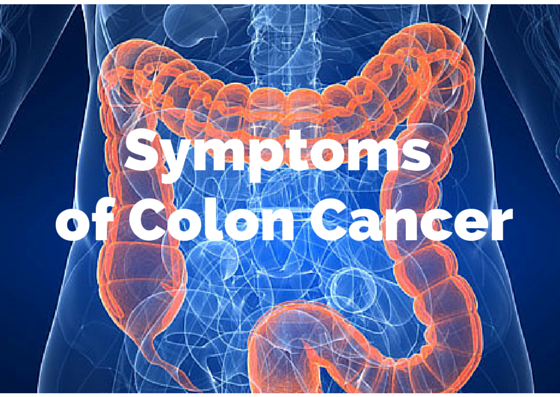
Signs and symptoms of colon cancer
· Abnormal bowel habits (i.e. constipation, diarrhea, or a change in the consistency of your stool)
· Rectal bleeding or bloody stool
· Continuous abdominal pain
· The feeling of incomplete emptying of bowel
· Weakness or fatigue
· Unexplained weight loss
Risk factors for Colorectal Cancer:
· Age 50 and over (90% of new cases occur in people ages 50 and over)
· Inflammatory bowel disease, Crohn’s disease, ulcerative colitis
· People with an immediate family member with a history of colon cancer have 2-3 times the risk of developing colon cancer
· African-Americans have a 20% higher risk of developing colon cancer and a 45% higher mortality rate
· Lifestyle factors – Physical inactivity, a diet low in fruits, vegetables, fiber and high in fat, being overweight or obese, alcohol and tobacco use