What's Ahead If You Get Colorectal Cancer
/
Cancer of the large intestine – the colon – is more likely to hit you if you are over the age of 50 and a man.
Read More
Cancer. Discover the latest in cancer news, research, clinical studies, health and prevention tips for both men and women from Dr. David Samadi. Explore latest news on cancer treatment, detection and prevention in common cancers such as lung cancer, breast cancer, colon cancer, skin cancer, prostate cancer, kidney cancer, throat cancer, thyroid cancer, bladder cancer and other cancers.
Cancer of the large intestine – the colon – is more likely to hit you if you are over the age of 50 and a man.
Read MoreA new study says aspirin helps protect against heart attacks and colorectal cancer. Colorectal cancer kills about 50,000 people each year in the United States. However, people should also know that there are some potentially serious side effects of taking a certain amount of aspirin.
Read MorePrevious studies have proved that aspirin taken daily can also reduce the risk of stroke or heart attack. For that purpose, it is enough to take daily a low-dose version of aspirin-containing only 81 mg of active ingredients. According to the scientists, other types of nonsteroidal anti-inflammatory drugs (NSAIDs) can reduce the risk even more. For instance, the study found that those people who took non-aspirin NSAIDs over a period of at least five years were 30% to 45% less likely to have colorectal cancer than people who didn't take the medication.
Read MoreA new study suggests that drinking caffeinated coffee on a regular basis may lower the risk for colon cancer recurrence and improve survival in patients with stage three colon cancer. The study found that drinking four or more cups of coffee on a daily basis was the most beneficial. The study was published in the Journal of Clinical Oncology.
Read MoreColon cancer is the second leading cause of cancer-related deaths in the United States. About 90 percent of cases occur in people aged 50 or older. And on average, the risk of developing colon cancer is about 1 in 20. However, this may vary depending on individual risk factors. Early detection is key. With regular screening, colon cancer can be found early. This is when treatment is most effective.
Read MoreU.S. study suggests Black patients with advanced colon cancer are less likely to receive chemotherapy after surgery to excise tumors than white patients. Lead study author: Caitlin Murphy, epidemiology researcher at the University of North Carolina at Chapel Hill.
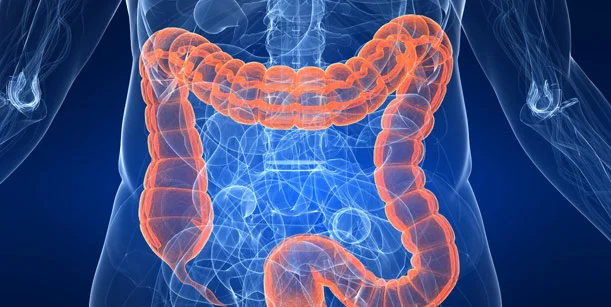
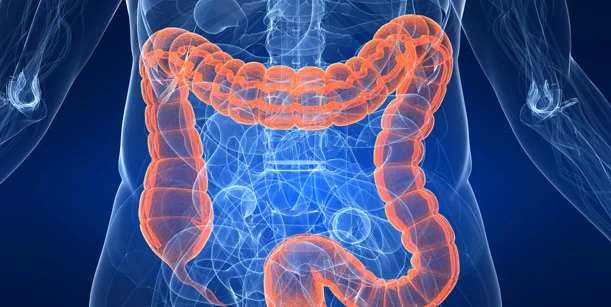
Colorectal cancer is cancer of the colon or the rectum. The colon is also known as the large intestine and the rectum sits at the bottom of the colon, connecting the colon and the anus. Colorectal cancer is the third most common type of cancer and the second leading cause of cancer death in men and women in the United States. For 2015, the American Cancer Society estimates that there will be 93,090 new cases of colon cancer and 39,610 new cases of rectal cancer.
Read MoreColorectal cancer is cancer of the colon or the rectum. The colon is also known as the large intestine and the rectum sits at the bottom of the colon, connecting the colon and the anus. Colorectal cancer is the third most common type of cancer and the second leading cause of cancer death in men and women in the United States.
Read MoreIn 2012, a significant report was released from the American Cancer Society which showed that major strides are being made in the right against cancer in the United States. An estimated 12 million people in the United States have cancer, with 2015 projections being an estimated 1.7 million people.
Read MoreColorectal cancer is cancer of the colon or the rectum. The colon is also known as the large intestine and the rectum sits at the bottom of the colon, connecting the colon and the anus.
Read More