Starving cancer with amino acids

Starving cancer with amino acids

Amino acids are protein's building blocks and give your cells their structure. They also feed cancer. Researchers at the Cancer Research UK Beatson Institute and the University of Glasgow are trying to formulate a diet that will starve cancer but still give you the amino acids you need for your cells to create proteins.

Read More
Aspirin Might Boost Cancer Therapy

Aspirin Might Boost Cancer Therapy

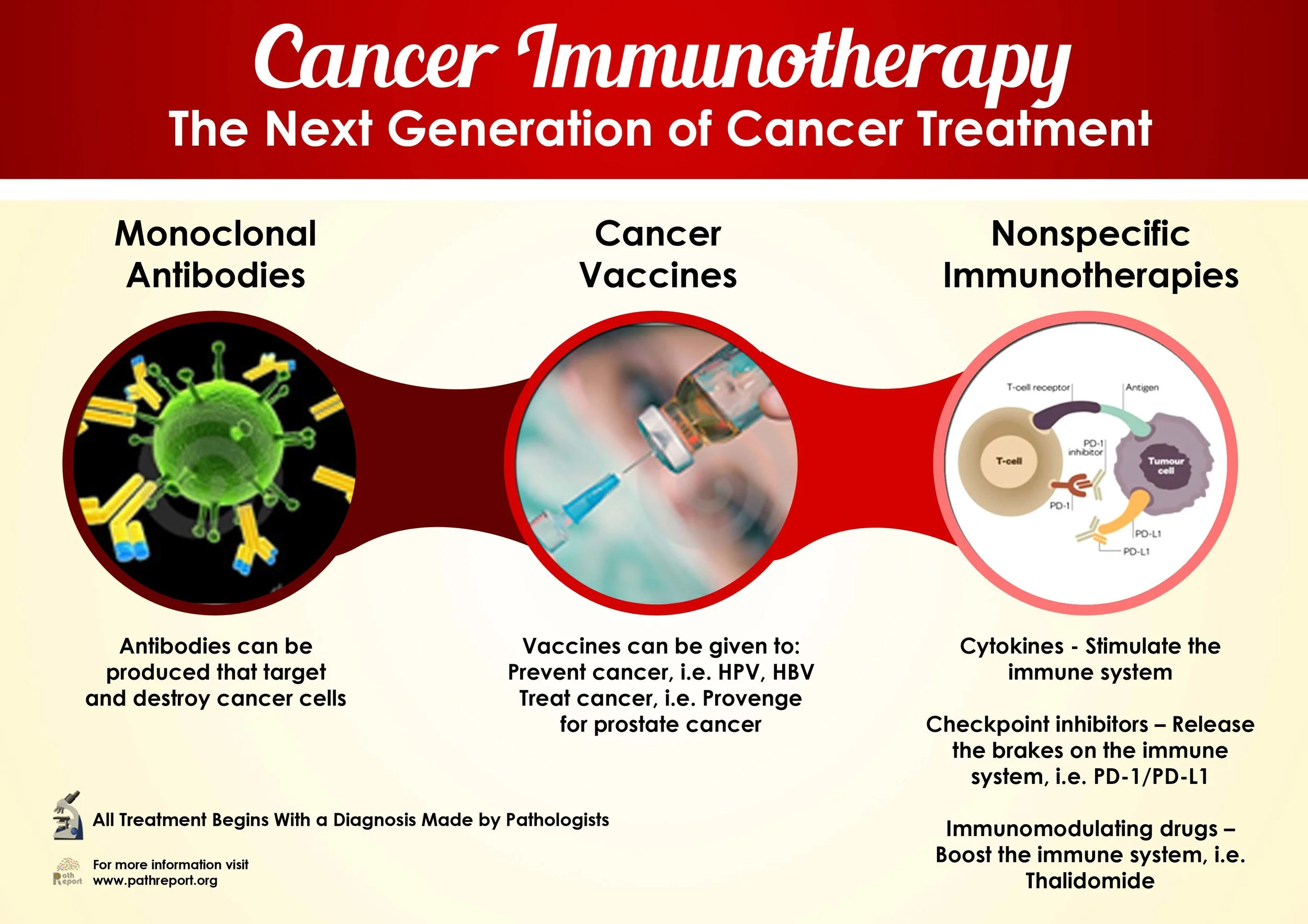
Aspirin may be able to boost the effectiveness of cancer medicines that improves the immune system. Immunotherapy lets the body's own defenses fight cancer. Scientists at the Francis Crick Institute have published a study suggesting aspirin may prevent tumors from hiding from the immune system. Cancer Research UK said it could be a simple way of improving treatment. The team showed that skin, breast and bowel cancer cells were producing high levels of a chemical, called prostaglandin E2, that could dampen down the immune response - effectively letting a tumor hide.

Read More

MRI Scans Can Deliver Cancer Therapy

MRI Scans Can Deliver Cancer Therapy

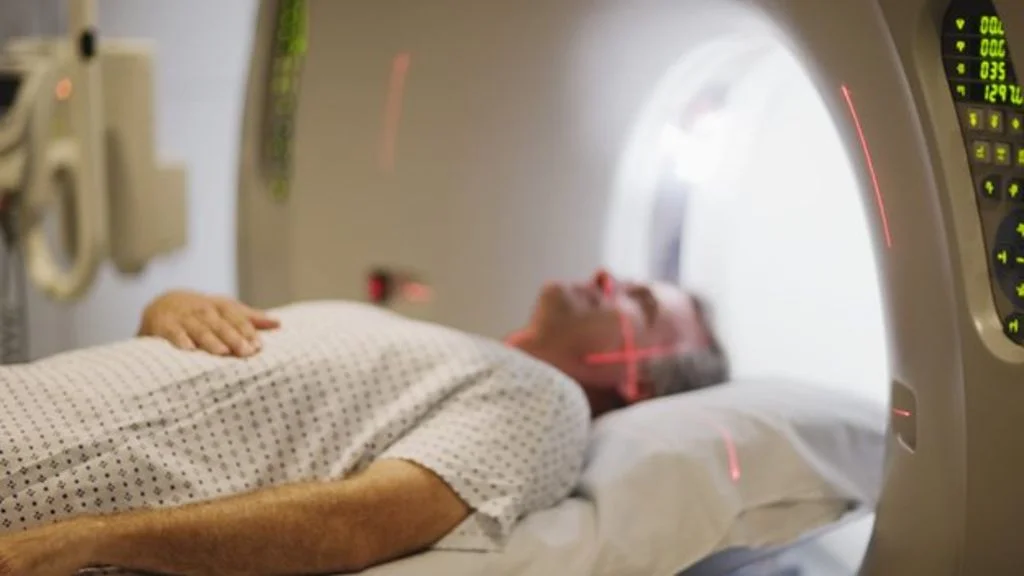
A hospital scan normally used to detect cancer could be used to steer tumor killing treatments to hard-to-reach targets in the body. The UK team at Sheffield University deployed the magnetic power of MRI scans to control the movement of a specially designed injectable cancer therapy. Early trials in mice suggest the novel delivery method works. Years more of studies are needed before it could be used in patients.

Read More

Promise Seen in Pancreatic Cancer through Immunotherapy

Promise Seen in Pancreatic Cancer through Immunotherapy

Pancreatic cancer advances have been making recent news, largely through the revolution that is personalized medicine, specifically immunotherapy. The statistics on pancreatic cancer are grim. Almost 50,000 people will be diagnosed in the US this year, with more than 40,000 dying from the disease. There exists no effective screening method. The disease is asymptomatic early on and spreads rapidly to other organs.

Read More